Overton & North Waltham Osteopathy
Welcome to Overton and North Waltham Osteopathy, led by Robert Green, your trusted Basingstoke Osteopath specialising in personalised treatments for Back Pain Basingstoke, sciatica, migraines, and more. Located in Overton in the heart of Hampshire, we focus on treating the individual, considering your body, lifestyle, and medical history, to provide evidence-based care that gets you back to daily activities quickly and safely.
Conditions We Treat at Our Basingstoke Osteopathy Clinic
Arthritic pain
- Osteoarthritis
- Spondylosis
-
Diffuse idiopathic skeletal hyperostosis (DISH)
Rheumatic pain
-
Rheumatoid arthritis
- Polymyalgia Rheumatica (PMR)
-
Spondyloarthropathies
-
Ankylosing spondylitis
-
Reactive Arthritis
-
Psoriatic Arthritis
-
Enteropathic Arthritis
-
-
Systemic Lupus Erythematosus (SLE)
-
Juvenile Idiopathic Arthritis (JIA)
Soft Tissue Related Rheumatic Disorders
-
Bursitis
-
Tendinitis
-
Enthesitis
-
Myofascial Pain Syndrome
Other
-
Gout
-
Calcium Pyrophosphate Deposition Disease (Pseudogout)
-
Fibromyalgia
Fibromyalgia and associated conditions
- Digestion issues
- Migraine prevention
- Cervicogenic headaches
- Myofascial pain syndrome
- Jaw Pain (Temporomandibular joint disorders)
- Nerve Pain
- Arthritic Pain
- Rheumatic Pain
- Tension and Inability to Relax
- Generalised Aches and Pains
- Circulatory Problems
Circulatory Problems
- Peripheral Arterial Disease (PAD)
- Chronic Venous Insufficiency
- Lymphedema
- Raynaud’s Phenomenon
- Swelling and Edema
- Poor Peripheral Circulation
- Neuropathy
- Complex Regional Pain Syndrome (CRPS)
Nerve pain (Neuralgia)
- Trigeminal Neuralgia
- Postherpetic Neuralgia
- Peripheral Neuralgia (Peripheral Neuropathy)
- Diabetic Neuralgia
- Cervical Radiculopathy
- Thoracic Outlet Syndrome (TOS)
- Suprascapular Neuropathy
- Cubital Tunnel Syndrome
- Radial Tunnel Syndrome
- Ulnar Nerve Entrapment
- Double Crush Syndrome
- Carpel Tunnel Syndrome
- Lumbar Radiculopathy (Sciatica)
- Piriformis Syndrome
- Genitofemoral Neuralgia
- Meralgia Paresthetica
- Sural Neuralgia:
- Tarsal Tunnel Syndrome (Tibial Nerve Entrapment)
Neck Pain
- Uncomplicated mechanical neck pain Facet Joint Pain
- Arthritic pain
- Rheumatic pain
- Cervical Spondylosis
- Cervical Disc Herniation
- Cervical Disc Degeneration
- Nerve Pain
- Cervical Stenosis
- Torticollis
Migraine Prevention
The American Headache Society and the UK NICE Guidelines recognize acupuncture as a recommended non-pharmacologic option for migraine prevention.
A 2024 systematic review and meta-analysis of 34 studies involving 3,365 migraine patients found that acupuncture significantly reduced:
- Pain intensity more effectively than medication
- Frequency of attacks
- Duration of attacks
- The number of days with migraines
Acupuncture can modulate pain pathways in the central nervous system and impact serotonin and endorphin levels.
Other non-pharmacologic options for migraine prevention include:
- Magnesium, riboflavin (B2), and coenzyme Q10: which have moderate evidence supporting their effectiveness
- Aerobic exercise and yoga, which reduce the frequency and intensity of migraines
- Cognitive behavioural therapy (CBT), which helps manage stress
- Dietary modifications, such as avoiding caffeine, MSG, and alcohol, which may benefit some patients
- Sleep hygiene and hydration, which are foundational lifestyle strategies.
Headaches (Cervicogenic)
Cervicogenic headaches are secondary headaches caused by dysfunction in the cervical spine or surrounding soft tissues. The pain typically originates in the neck and radiates to the head or face.
Evidence supports that combining exercise, the treatments I provide, and education is more effective than any single intervention.
- The Trigeminocervical Nucleus (TCN) is a region in the lower brainstem where sensory fibres from the trigeminal nerve (cranial nerve V) and upper cervical spinal nerves (C1–C3), located at the upper part of the neck, converge.
- The trigeminal nerve supplies sensation to the face, forehead, eyes, and jaw, while the C1–C3 spinal nerves provide sensation to the back of the head, upper neck, and occipital region.
Irritation of the muscles and joints in this area can affect nearby nerves. This irritation sends nociceptive (pain) signals to the TCN, which may be misinterpreted by the brain as originating from the head, resulting in perceived head pain and headaches.
Jaw Pain (Temporomandibular)
- Arthritic Pain
- Temporomandibular Joint Dysfunction (TMD)
- Minor Jaw injury
- Bruxism associated with Tension and Inability to Relax
- Disc displacement within the joint
- Connective tissue diseases
- Biomechanical factors relating to Neck
- Referred Pain from Neck
- Malocclusion (misaligned bite)
- Fibromyalgia or chronic pain syndromes
Shoulder Pain
- Arthritic Pain
- Rotator Cuff Related Pain
- Minor Rotator Cuff Tears
- Rotator Cuff Tendinopathy
- Bicipital Tendinopathy
- Subacromial Bursitis
- Minor Labral Tears (SLAP)
- Shoulder Instability
- Acromioclavicular (AC) Joint Pain
- Adhesive Capsulitis (Frozen Shoulder)
- Suprascapular Neuropathy
- Referred pain from the Neck
- Thoracic Outlet Syndrome (TOS)
Frozen Shoulder
An evidence-informed program designed to manage frozen shoulder integrates treatment, structured rehabilitation, and education to provide the best outcomes.
This includes reassurance and advice on how to manage frozen shoulder effectively.
Treatment Focus:
- Focus on pain management, range of motion, and functional restoration.
- Gentle joint mobilisations to improve shoulder mobility.
- Soft tissue techniques to reduce muscle guarding and pain.
Exercise Therapy:
- Phase 1: Pain control and gentle mobility (pendulum exercises, assisted elevation).
- Phase 2:Active range of motion and stretching (capsular stretches, wall climbs).
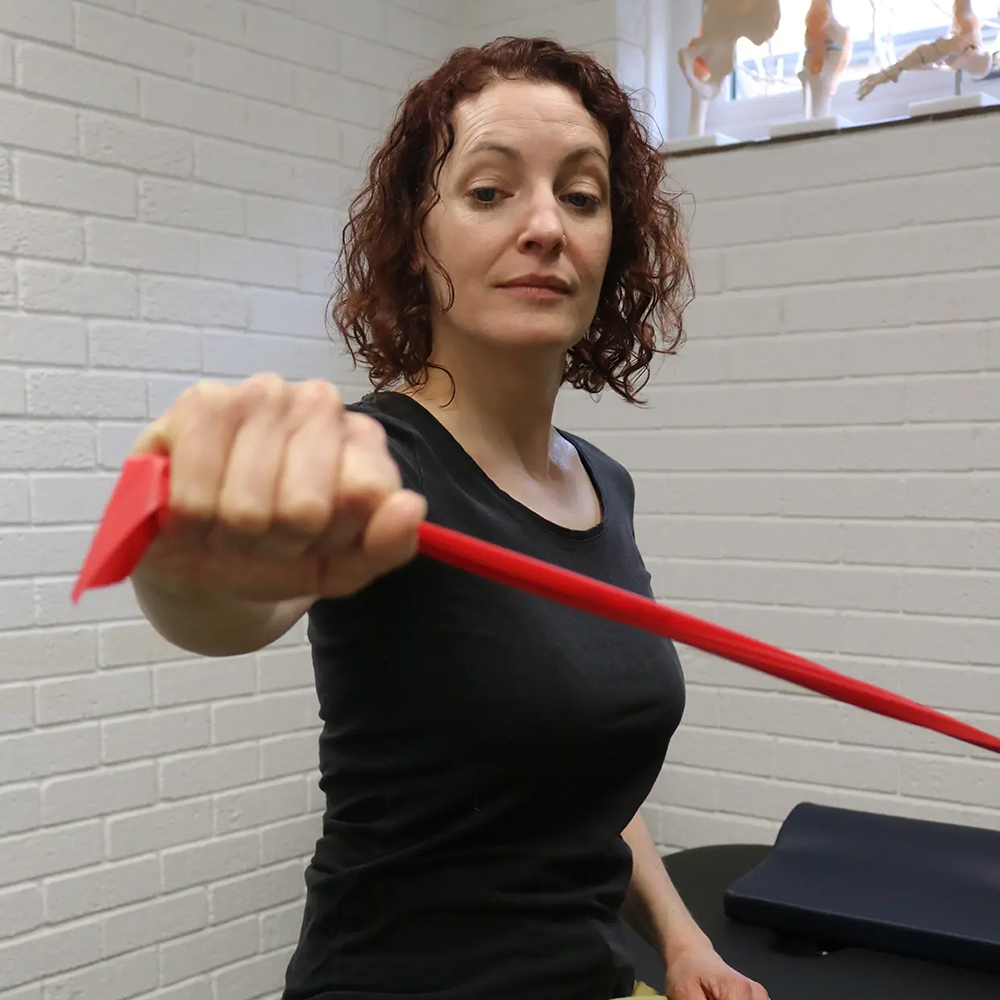
- Phase 3:Strengthening and functional tasks (using resistance bands, focusing on scapular control).
Progression is tailored to your individual tolerance and recovery.
Initial Steroid Injection:
A single intra-articular corticosteroid injection at the start of treatment can reduce inflammation and pain, enabling better participation in treatment and rehabilitation. This is something I can advise you on and discuss further.Elbow Pain
- Referred pain from the Neck
- Lateral Epicondylitis (arising from associated musculoskeletal conditions of the back and neck, but not isolated occurrences)
- Medial Epicondylitis (Golfer’s Elbow)
- Cubital Tunnel Syndrome
- Radial Tunnel Syndrome
- Ulnar Nerve Entrapment
- Double Crush Syndrome
- Olecranon Bursitis
- Minor Sprains and Strains
- Arthritic Pain
- Rheumatic Pain
Wrist Pain and Hand Pain
- Arthritic Pian
- Rheumatic Pain
- De Quervain’s Tenosynovitis
- Trigger Finger (Stenosing Tenosynovitis)
- Carpal Tunnel Syndrome
- Ulnar Tunnel Syndrome (Guyon’s Canal)
- Radial tunnel syndrome
- Minor Ligaments Sprain
Carpal Tunnel Syndrome
- Cervical Radiculopathy
- Thoracic Outlet Syndrome (TOS)
- Suprascapular Neuropathy
- Cubital Tunnel Syndrome
- Radial Tunnel Syndrome
- Ulnar Nerve Entrapment
- Double Crush Syndrome
- Carpel Tunnel Syndrome
Back Pain
- Non specific Lower Back Pain
- Facet Joint Pain
- Costotransverse Joint Pain
- Discogenic Pain
- Scheuermann’s Disease
- Spondylosis
- Arthritic Pain
- Rheumatic pain
- Disc Degeneration
- Stenosis,
- Disc Herniation
- Sciatica
- Spondylolisthesis
- Degenerative Scoliosis
- Sacroiliac Joint Dysfunction
- Coccygodynia
- Piriformis Syndrome (Sciatica-like symptoms)
Sciatica
Reassurance for Patients
Sciatica is extremely painful and quite distressing, making it difficult to find relief from the pain. The good news is that most people experience significant improvement within 6 weeks to 6 months, often achieving full recovery without the need for surgery or strong pain relief. Your body has a remarkable capacity to heal.
- Active Participation is Key: Staying active within your pain limits is vital for recovery. We’ll guide you through exercises and strategies to manage your pain and regain mobility.
- Pain Management is Achievable: Even with severe pain, effective methods are available, including exercises and medications. Our goal is to reduce your discomfort and help you return to daily activities.
- We’re Here to Support You: You are not alone. We understand chronic pain can be difficult, and we’re committed to offering you the care and support you need. Feel free to ask questions or share concerns.
- Focus on Functional Improvement: Along with pain relief, we aim to enhance your overall function, strength, and flexibility for lasting well-being and prevention of recurrence.
Sacroiliac & Coccydynia Joint Pain
The sacroiliac joint is often associated with low back pain, while coccydynia refers to pain in the coccyx (tailbone).
These areas have many questionable biomechanical diagnoses that can create anxiety in patients. My approach focuses on a more holistic, science-informed method that prioritises patient understanding and function.
Pelvic and Hip Pain
- Arthritic Pain
- Osteoarthritis as an adjunct to core OA treatments and exercise
- Rheumatic Pain
- Muscle Strains
- Greater Trochanteric Pain Syndrome (Trochanteric Bursitis)
- Iliopsoas Tendinopathy
- Gluteal Tendinopathy
- Piriformis Syndrome
- Femoroacetabular Impingement (FAI)
- Minor Labral Tears
- Snapping Hip Syndrome
- Sacroiliac Joint Dysfunction
- Pelvic girdle pain
- Osteitis Pubis
- Muscle Strains
- Referred Pain
Groin Pain
- Adductor-related
- Iliopsoas-related
- Inguinal-related
- Pubic-related
- Meralgia paresthetica
- Obturator nerve entrapment
- Referred pain from Hip
- Referred pain from Back
Knee Pain
- Arthritic Pain
- Osteoarthritis as an adjunct to core OA treatments and exercise
- Rheumatic Pain
- Meniscal Degeneration
- Minor Meniscal Tears
- Osteochondral Defects
- Anterior Cruciate Ligament (ACL) related pain
- Posterior Cruciate Ligament (PCL) related pain
- Medial Collateral Ligament (MCL) related pain
- Lateral Collateral Ligament (LCL) related pain
- Minor Knee Injurys
- Iliotibial (IT) band syndrome (Runners Knee)
- Patellar Tendinopathy (Jumper’s Knee)
- Quadriceps Tendinopathy
- Prepatellar Bursitis (Housemaid’s Knee)
- Popliteal Bursitis (Baker’s Cyst)
- Infrapatellar Bursitis
- Pes Anserine Bursitis
- Poplitil Bursitis Baker’s Cyst
- Patellofemoral Pain Syndrome,
- Osgood-Schlatter Disease (pediatric)
Foot and Ankle Pain
- Shin Splints (Medial Tibial Stress Syndrome)
- Arthritis
- Minor Ankle Sprains (Lateral, Medial, Syndesmotic),
- Achilles Tendinopathy
- Posterior Tibial Tendinopathy
- Peroneal Tendinopathy
- Tarsal Tunnel Syndrome (Tibial Nerve Entrapment)
- Posterior ankle impingment
- Plantar Fasciitis
- Morton’s Neuroma
- Bursitis (Bunionette)
- Flatfoot (Pes Planus)
- High Arch (Pes Cavus)
- Sesamoiditis
Minor Sports Injuries
- Muscle strains
- Ligament sprains
- Tendonitiopathy
- Bursitis
- Myofascial pain syndrome
- Shin splints (medial tibial stress syndrome)
- Osgood-Schlatter disease
- Sever’s disease
- Nerve entrapments
- Runner’s knee (patellofemoral pain syndrome)
- Jumper’s knee (patellar tendinitis)
- Iliotibial band syndrome (ITBS)
- Snapping hip syndrome
- Plantar fasciitis
Pregnancy Aches and Pains
- Low back Pain
- Sciatica
- Pelvic girdle pain
- Sacroiliac joint dysfunction
- Coccygodynia
- Symphysis pubis dysfunction (SPD)
- Osteitis pubis
- Carpal Tunnel Syndrome
- De Quervain’s Tenosynovitis
- Myofascial pain syndrome
- Abdominal muscle strain
- Diastasis recti abdominis (DRA)
- Pelvic floor muscle pain
- Leg cramps
- Foot pain
- Meralgia paresthetica
- Femoral, obturator, or peroneal neuropathies
- Pudendal neuralgia
Some Pediatric Condtions
Muscle Spasms & Cramps
Muscle cramps are sudden, involuntary contractions of one or more muscles. They can be quite painful and may temporarily disable the affected muscle. These cramps have multiple causes. An integrated approach from osteopathy, combining manual therapy, exercise, and nutrition, can lead to positive outcomes.
Generalized Aches and Pains
An integrated approach to osteopathy, combining manual therapy, exercise, psychotherapy, and nutrition, can lead to positive outcomes. The treatment here at Overton and North Waltham Osteopathy can aid in relieving tension and the inability to relax.
Tension and Inability to Relax
An integrated approach to osteopathy, combining manual therapy, exercise, psychotherapy, and nutrition, can lead to positive outcomes. The treatment here at Overton and North Waltham Osteopathy can aid in relieving tension and the inability to relax.
Nutrition plays a crucial role in supporting neuromuscular health and regulating the stress response. Key nutritional components include:
- Magnesium
- B-complex vitamins
- Omega-3 fatty acids
- Tryptophan-rich foods
- Hydration
Psychological therapies are essential for addressing underlying stress, anxiety, and emotional tension. These therapies can include:
- Cognitive Behavioural Therapy
- Mindfulness-Based Stress Reduction
- Relaxation Techniques
Exercise is a powerful tool for reducing both physical and psychological tension. Effective forms of exercise include:
- Aerobic exercise
- Stretching and mobility work
- Mind-body practices such as yoga or Pilates
By integrating these approaches, individuals can achieve better overall well-being.








What People Have Been Saying


Why Choose Overton and North Waltham Osteopathy?
My aim is to restore your body's natural ability to heal and function optimally.
I am a registered Osteopath in the UK with specialised training in sports and exercise medicine, as well as psychology-informed practices. I am committed to continuous professional development, ensuring that you receive the most effective and up-to-date evidence-based treatments.
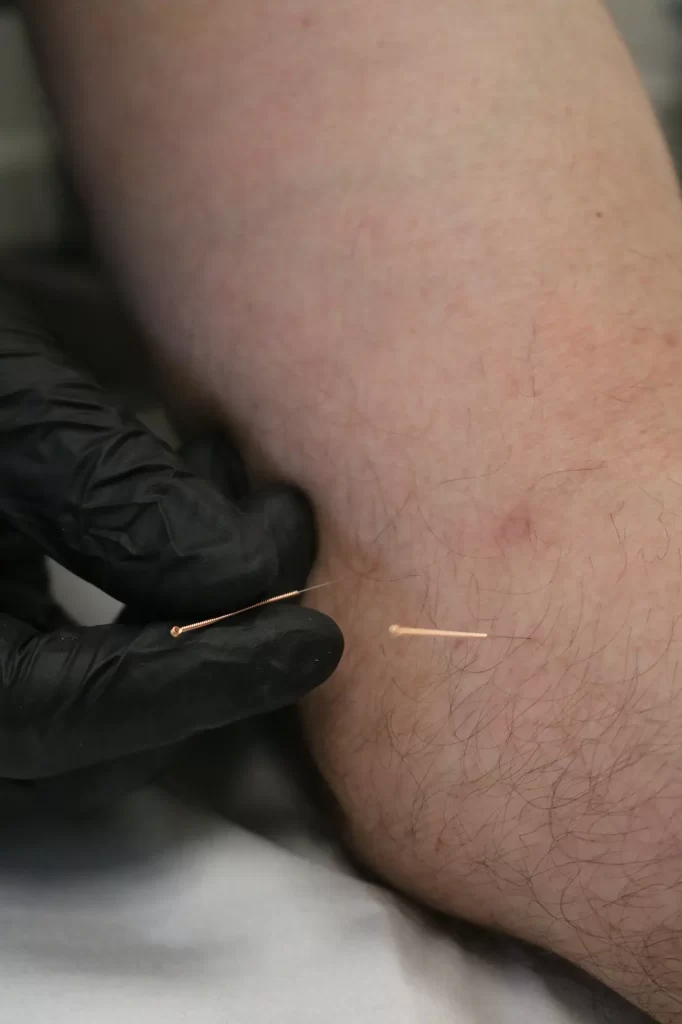
The vast majority of patients typically need only one to three appointments. This is because most symptoms resolve quickly with proper management, rehabilitation, and therapies like Acupunture (Dry Needling), Ostepathy, Sports massgae or Myofascial Release, to surppot you pain relif and recovery.
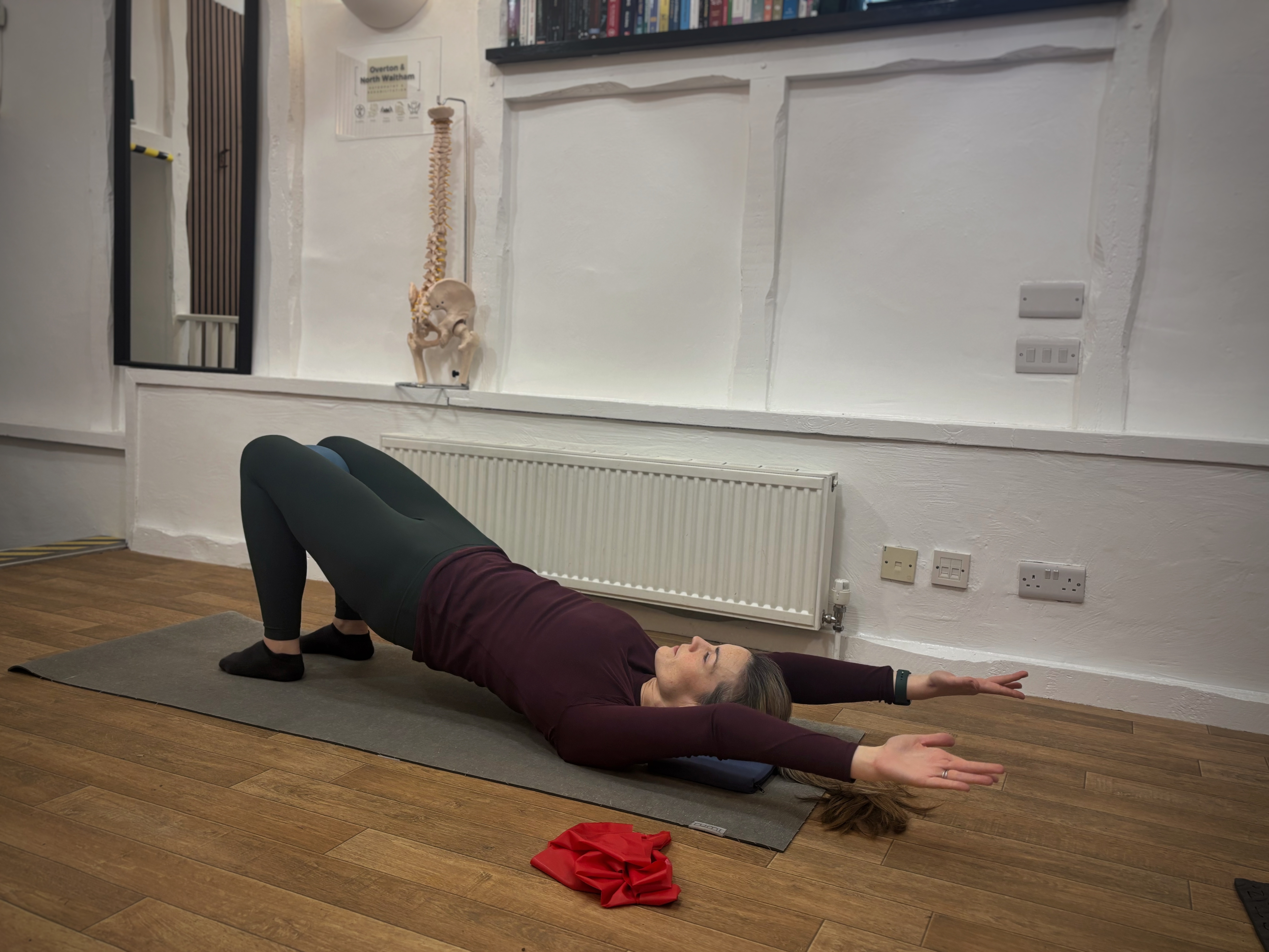
We also offer, servies to keep you pain free and moving well, with one on one Pilates sessions and
Convenient Location: Serving Basingstoke, Overton, North Waltham, Winchester, Newbury, Alton, and surrounding Hampshire areas with easy access and flexible appointments.
Accessible
Everyone should have access to healthcare:I am committed to providing a welcoming and accessible environment for all our patients.
- Physical Accessibility
- Sensory and Neurodiversity Considerations
Please contact us to discuss your specific needs.
Ethical
Providing honest, ethical, and transparent care, by ensuring that we:- Never prolonging treatment plans unnecessarily.
- Never recommending packages or unnecessary monthly maintenance appointments.
- Always suggesting treatments that are in your best interest.
Evidence-Based
Many myths and misinformation surround health and fitness. We strive to:- Offer treatments, advice, and education rigorously supported by evidence.
- Empower you as a patient with information.
- Ensure positive health outcomes through evidence-based care.
Patient-Centred
We take a patient-centred approach, which includes:- Encouraging shared decision-making about your health.
- Respecting your individual preferences.
- Working with you to achieve your health goals.
Together we can explore the most suitable approach for you.
Empathetic
A compassionate approach, focusing on:- Understanding and addressing the emotional and psychological impact of pain.
- Active listening and validation of feelings.
- Creating a supportive environment to enhance patient experiences and outcomes.
- Free Consultations
- Evening & Weekend appointments
- Home visits
- Fully accessible environment
- FREE parking
- No GP referrals needed
- Out-of-hours emergency appointments

Frequently Asked Questions
Here, you will find a list of common questions people have and some further information that you may find interesting.
Consent is an ongoing process, and the completion of a consent form is an isolated event. Though you may give informed consent today, you are not obligated to consent for future treatment. You can refuse examination or treatment (or any part of examination or treatment) now or in the future without jeopardising future appointments at this clinic.
1. I will make you feel at ease during your first consultation and any subsequent appointments and tell you what is happening throughout.
2. You can ask questions at any point during the appointment.
3. It is perfectly fine to have a friend or family member accompany you to your consultation if you feel more comfortable. However, for patients under the age of 16, an adult or appointed representative must be present during the consultation. Before booking an appointment, it is recommended that you discuss this requirement with the practitioner to determine if a specialist in pediatric conditions would be best suited for the patient’s individual needs.
4. During your first visit, I will discuss your current and past medical history with you in detail before we start the examination. Please note that all the information you share with me during the appointment will be kept confidential. I will only disclose your medical information to another healthcare provider if you give me your consent or if there are specific circumstances that legally require me to do so.
4.a. It is essential that you inform me about any health condition, changes in your health no matter how minor or unrelated they may feel or any medication you take during the case history-taking process, e.g., if you experience fits, have a pacemaker or other electrical implants fitted, suffer unaccountable double vision, vomiting or dizziness, or have difficulty swallowing.
4.b.Equally, you should inform us if you are receiving treatment or taking medication for other conditions, particularly diabetes, cancer, osteoporosis, asthma, or clotting disorders.
4.c. Robert Green is a registered and regulated Osteopath. Please note that he does not diagnose illnesses. If further medical investigations are required, Robert Green may contact your doctor with your permission. This may involve disclosing details of medical information, notes held, and/or treatment received at the practice.
5. As the consultation progresses, you may be asked to remove some of your clothing as appropriate for the condition being assessed. This is necessary for a series of observations and relevant physical and clinical examinations to be made. Sometimes, it may be required to dress down to your underwear. However, if you feel uncomfortable with this, please let us know, and we will discuss arrangements to make you more comfortable.
6. You should ask questions about any concerns or discomfort during treatment and tell your practitioner if you are uncomfortable with specific osteopathic treatment.
Robert Green has completed years of rigorous training to become a registered and regulated Osteopath. This training equips Osteopaths with the knowledge and skills to conduct examinations and screenings to identify potential issues, and to determine which techniques can be safely used for treatment. This also ensures that patients are not exposed to any unnecessary risks due to treatment.
A lot of patients seek help from Osteopaths to alleviate their painful symptoms. However, some of them might experience some initial aching for about 24 to 48 hours after the treatment. But, as the treatment progresses, they start to get relief from their symptoms. Researchers have conducted studies to understand the common responses to manual therapy treatment. According to these studies, approximately 10-20% of patients might experience local discomfort, tiredness, headache or stiffness after the treatment.
The likelihood of experiencing severe side effects, such as nerve or artery damage, as a result of treatment is extremely low, occurring less frequently than 7 to 10 times in every 100,000 treatments. When it comes to treating musculoskeletal pain, manipulation carries a similar level of risk as other types of treatment, such as exercise or analgesic drugs, and is less risky than prolonged use of analgesics.
The vast majority of patients typically need only one or two appointments. This is because most symptoms, while often very distressing, are not generally indicative of severe long-term conditions and will resolve independently, especially with proper management and rehabilitation.
Some conditions are complex and chronic in nature, such as Osteoarthritis, and patients find that Osteopathy treatment can help to manage their symptoms when used in conjunction with carefully planned exercises and recommendations.
When to Consider Further Investigation
Generally, if you do not notice a significant improvement in your symptoms after three appointments, we can explore other pathways or conduct investigations to determine the underlying cause.
Patients sometimes present to my clinic with symptoms that may stem from underlying causes. As a primary healthcare provider, I have been trained to conduct clinical examinations and screenings to identify potential conditions, and can provide:
- Referrals to GP
If required, I can refer you to your General Practitioner (GP) for further investigations. This referral ensures that you receive comprehensive medical care and any necessary diagnostic tests.
- Referrals for Private Imaging (MRI)
Additionally, if it is clinically necessary, I can refer you for private imaging, such as an MRI. This allows for detailed visualization of your internal structures and assists in accurate diagnosis.
Osteopathy and physiotherapy are both allied health professions that focus on improving health and well-being through manual therapy, exercise, and patient education.
Osteopathy and physiotherapy share several important similarities:
- Allied Health Professions:Both are recognised as allied health professions, requiring specific training and registration.
- Focus on Musculoskeletal Health:Both professions treat a wide range of musculoskeletal conditions.
- Manual Therapy: Each utilises hands-on techniques to assess and treat patients, however, Osteopaths are more specialised in this area.
- Exercise Prescription:Both prescribe exercises to enhance strength, flexibility, and overall function.
- Patient Education:Both professions educate patients on managing their conditions and preventing future injuries.
Differences Between Osteopathy and Physiotherapy
Osteopaths and physiotherapists treat a variety of conditions, with many overlapping areas. However, osteopaths generally have a broader scope of practice and often act as primary healthcare providers, while physiotherapists typically function within a secondary healthcare context.
Choosing Between Osteopathy and Physiotherapy
The choice between an osteopath and a physiotherapist largely depends on personal preference. Both often work side by side within the NHS as part of multidisciplinary musculoskeletal teams.
Conclusion
Osteopathy and physiotherapy are both valuable healthcare professions that can help individuals improve their health and well-being. Although they share many similarities, they have distinct philosophical approaches and treatment techniques.
I understand that navigating healthcare environments can be challenging
At Overton and North Waltham Osteopathy, Our philosophy is built on the belief that healthcare should be accessible to everyone.
We recognize the diverse needs of our patient population and are dedicated to adapting our services and environment to meet these needs. Our aim is to remove barriers and enhance the patient experience, ensuring that every individual receives the highest standard of care in a supportive setting and have implemented various features and practices to create an accessible environment:
Physical Accessibility
- Wide Doorways
- Accessible Restrooms
- Clear Pathways
- Adjustable Treatment Tables
- Accessible Parking
Sensory and Neurodiversity Considerations
We understand that sensory input can significantly impact the comfort and well-being of neurodiverse individuals. To address this, we have taken the following measures:
- Visual Supports: We can provide visual aids or verbal descriptions of what to expect during a visit or treatment session to reduce anxiety.
- Sensory Tools (Upon Request): We can offer certain sensory tools, such as fidget toys or weighted blankets, to help patients regulate sensory input if needed. Please request these in advance.
- Flexible Appointment Scheduling: We offer flexibility in scheduling appointments to accommodate patients who may benefit from quieter times or longer appointment slots.
Communication and Support
- Clear and Concise Language: We are always happy to re-explain information.
- Multiple Communication Channels: Patients can communicate with us via phone, email, or in person, allowing them to choose their preferred method.
- Support Person Welcome: Patients are welcome to bring a support person, family member, or carer to their appointments.
Do you have any questions?
How To Contact Us
Here are the ways to get in touch with us. Please check our contact page for our operating hours.
Address
Phone
01256 578137Pricing
Healthcare should be accessible, cost-effective and ethical, which is why I offer free consultations with your initial appointment and a free fifteen-minute telehealth consultation.
Initial Consultation
£6045 min AppointmentDuring the appointment, you will have the opportunity to discuss the issues bothering you in detail. We will then work together to set appropriate and realistic goals, helping you return to the activities you enjoy as soon as possible.
Please read the, Informed Consent. What should I expect to happen on my first visit? Page for more information.ExaminationTreatmentTailored rehab planFollow-up Consultation
£6045 Min appointmentWe'll review the progress you've made since our initial consultation and discuss any new concerns or adjustments that need to be made to your treatment plan. We will evaluate the goals we set together and make any necessary updates to ensure they remain aligned with your recovery and wellness journey.
ExaminationTreatmentProgressed rehab planTherapeutic Exercise & Rehabilitation
£6045 min appointmentWe have a designated appointment to assist you in your recovery if you have reached a stage where passive treatment is no longer needed. In this program, we will dedicate the entire session to your rehabilitation plan. This program is perfect for individuals who may not yet be comfortable exercising alone or lack the necessary equipment.
Tailored recovery appointmentsDedicated rehabilitation sessionsSupport for solo exercise
Free In-person or Telehealth Consultation
FreeThis service is designed for people who want to learn more about their options before scheduling a full appointment or are unsure if treatment is suitable. During the session, you will have the opportunity to discuss how I can help and ask any questions you may have.
Pre-appointment consultationTailored treatment discussionOpen Q&A sessionHome visits
Contact For PriceHome visits are available only via pre-booked appointments. They are mainly reserved for individuals who are unable to reach the clinic due to physical or emotional constraints. Please do not hesitate to contact me for more information.
Pre-booked home visits onlyFor those with physical/emotional constraintsContact for more informationRemote
Telehealth Consultation & Online CoachingThis service offers telehealth consultations and online coaching for new and follow-up patients. You can discuss any issues that may be bothering you in detail. I will provide reassurance and advice on rehabilitation. My approach is proven to aid you in overcoming the problems you may be experiencing and help you return to meaningful activities.