Exercise Therapy & Rehabilitation in Basingstoke
Personalised Exercise Plans for Pain in Basingstoke
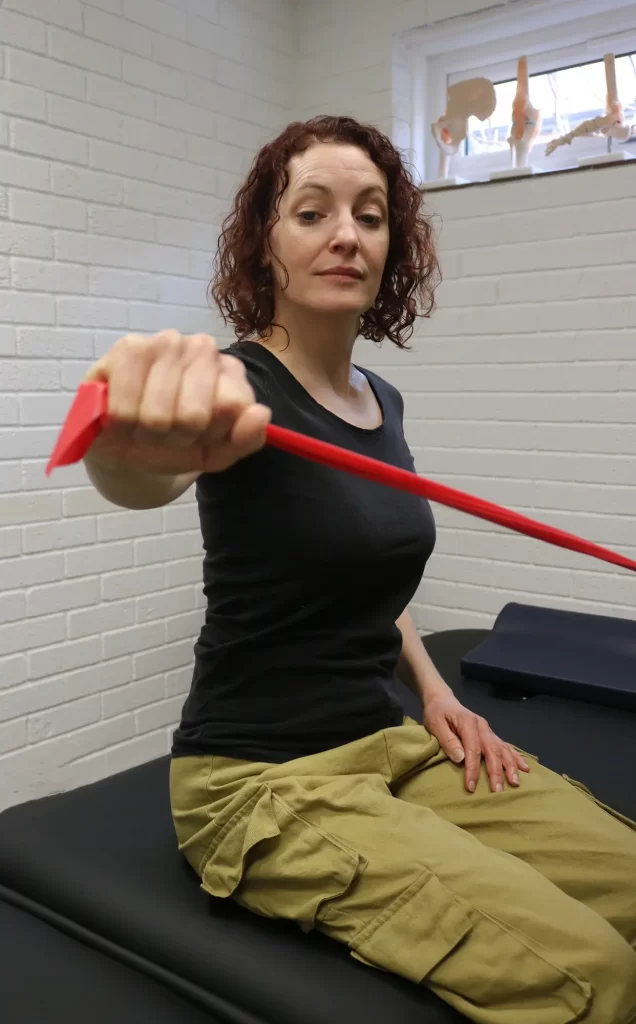
Exercise has been shown to be beneficial for various painful conditions, such as low back pain, neck pain, tendon issues, arthritis, muscle pain, and nerve pain. It supports recovery by improving circulation, reducing inflammation, enhancing flexibility, and strengthening the body, making it an essential part of many treatment plans.
Types of Exercises I Proved
- Stretching
- Strengthening
- Motor Control Exercises
- Balance Exercises
- Proprioceptive (Falls prevention)
- Aerobic exercise
The Benefits of Exercise to Relieve, Joint, Muscle Nerve and Back Pain in Basingstoke
- Releases endorphins, which are natural pain relievers
- Increasing pain tolerance threshold
- Promotes positive adaptations in body tissues
- Improves circulation and reducing inflammations
At Overton and North Waltham Osteopathy, we provide a variety of services designed to support your health and well-being. Don’t forget to check out our other offerings, we’re here to help.
Additional Advantages of Exercise Therapy
- Reduce the risk of developing chronic pain
- Improved mobility and flexibility
- Increased strength and stability
- Enhanced balance and coordination
- Reduced risk of developing health conditions
- Improve overall health
- Improved mood and mental well-being
- Significantly decrease the risk of falls
- Lower overall mortality rates by up to 30%
Next Steps
If you’re seeking effective exercise therapy and rehabilitation for joint, muscle, nerve and back pain in Basingstoke, Overton and North Waltham Osteopathy can help.
With experience supporting a wide range of conditions, we’re here to guide your recovery with a personalised plan designed to improve movement, reduce discomfort, and promote long-term health and wellbeing.
Osteopathy and physiotherapy share several important similarities:
Osteopathy and physiotherapy are both allied health professions that focus on improving health and well-being through manual therapy, exercise, and patient education.
- Allied Health Professions:Both are recognised as allied health professions, requiring specific training and registration.
- Focus on Musculoskeletal Health:Both professions treat a wide range of musculoskeletal conditions.
- Manual Therapy: Each utilises hands-on techniques to assess and treat patients, however, Osteopaths are more specialised in this area.
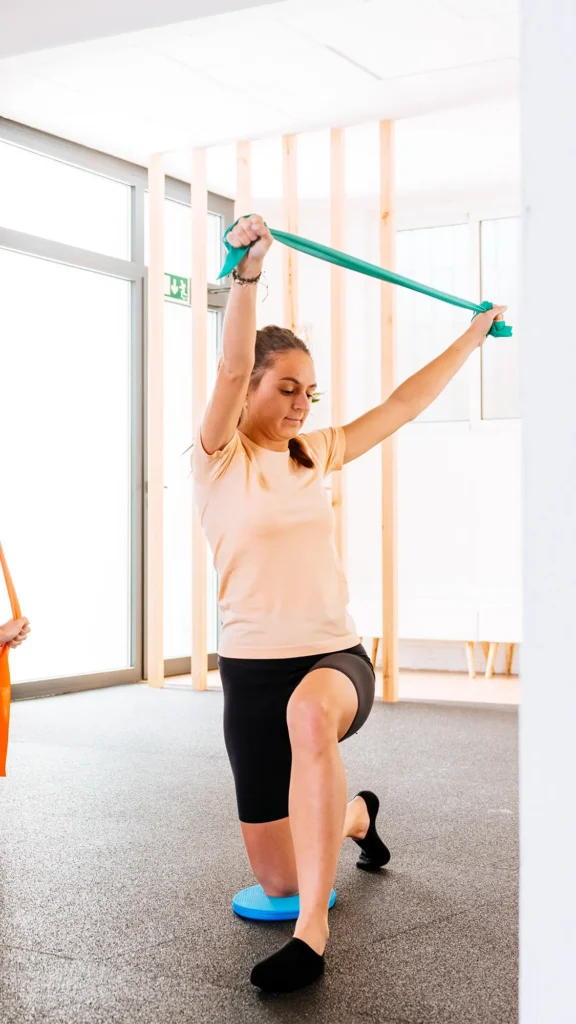
- Exercise Prescription:Both prescribe exercises to enhance strength, flexibility, and overall function.
- Patient Education:Both professions educate patients on managing their conditions and preventing future injuries.
Differences Between Osteopathy and Physiotherapy
Osteopaths and physiotherapists treat a variety of conditions, with many overlapping areas. However, osteopaths generally have a broader scope of practice and often act as primary healthcare providers, while physiotherapists typically function within a secondary healthcare context.


Choosing Between Osteopathy and Physiotherapy
The choice between an osteopath and a physiotherapist largely depends on personal preference. Both often work side by side within the NHS as part of multidisciplinary musculoskeletal teams.
Conclusion
Osteopathy and physiotherapy are both valuable healthcare professions that can help individuals improve their health and well-being. Although they share many similarities, they have distinct philosophical approaches and treatment techniques.