Acupuncture (Medical Western)
Acupuncture in Basingstoke (Dry Needling)
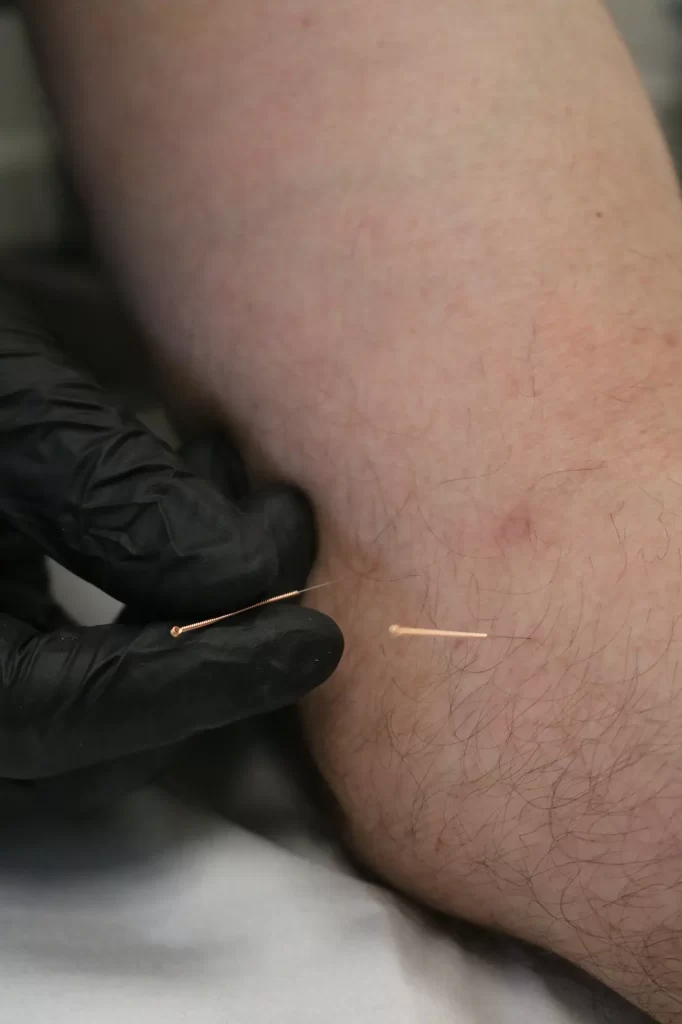
This therapeutic technique is used by healthcare professionals to treat musculoskeletal pain. It involves inserting thin, sterile needles into specific points within the muscles. While often compared to traditional Chinese acupuncture, this method is rooted in Western anatomical and neurophysiological principles. Both acupuncture and dry needling are offered as part of a targeted, evidence-based approach to care, from our basingstoke clinic.
Accepted Claims for Acupuncture Treatment
The Advertising Standards Authority (ASA) has reviewed clinical evidence and determined that the following claims are acceptable based on current research:
-
Short-term improvement in symptoms of overactive bladder syndrome (electro-acupuncture at the SP6 point)
-
Short-term relief of tension-type headaches
-
Short-term relief of migraine headache
-
Short-term relief of chronic low back pain
-
Short-term relief of neck pain or chronic neck pain
-
Short-term relief from temporomandibular (TMD/TMJ) pain
-
Temporary adjunctive treatment for osteoarthritis knee pain
Additional Conditions and Ethical Practice
Book an Appointment
At Overton and North Waltham Osteopathy, we provide a variety of services designed to support your health and well-being. Don’t forget to check out our other offerings, we’re here to help.
The Mechanism of Acupuncture
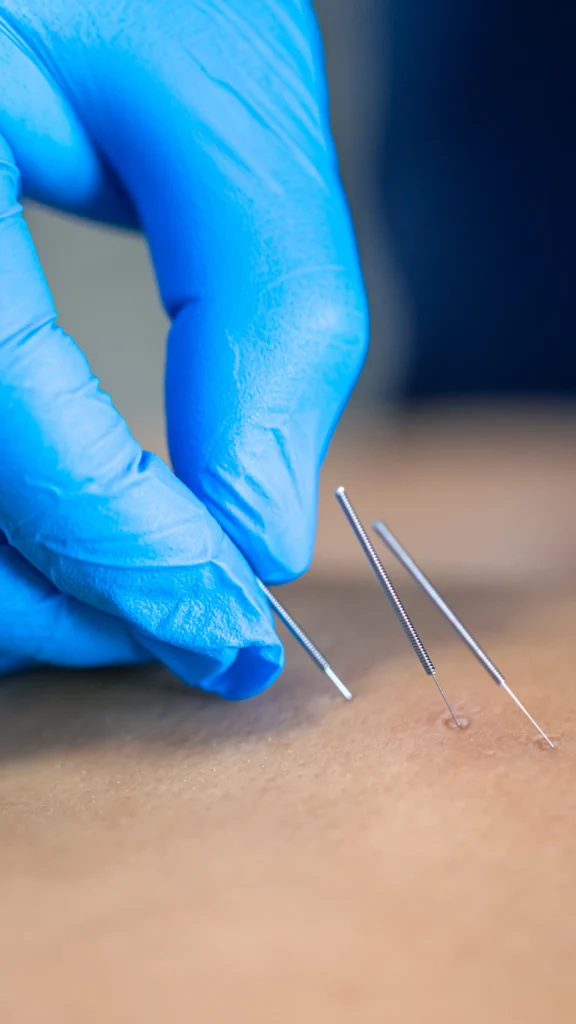
- Neurohormonal Pathways: Needling specific points may stimulate nerves that send signals to the brain. This can lead to the release of endorphins (natural painkillers) and other neurochemicals (like serotonin and norepinephrine), which modulate pain perception and mood.
- Local Tissue Effects: The insertion of needles can lead to the release of vasodilators. This may help reduce inflammation and promote healing.
- Central Nervous System Modulation: Scans have shown that acupuncture can affect activity in various brain regions involved in pain, emotion, and sensory processing. This suggests a systemic effect on the central nervous system, helping to regulate the body’s response to stress and pain.
Clinical Evidence for Acupuncture
Acupuncture is most widely recognised and studied for its role in chronic pain relief.
Chronic Low Back Pain: Strong evidence for effectiveness. Key findings show clinically significant improvement in pain and function compared to sham or no acupuncture.
Osteoarthritis (Knee Pain): Moderate to strong evidence. Key findings show it reduces pain and improves physical function in the short-term.
Chronic Headaches/Migraines: Strong evidence for Acupuncture in prevention. Key findings show it reduces the frequency and intensity of migraine and tension-type headaches.
Neck Pain: Strong evidence. Key findings show it is effective for chronic neck pain, comparable to some physical therapies.

to discuss how acupuncture or dry needling can help you manage your pain.