Jaw pain (TMD) treatment in Overton, near Basingstoke
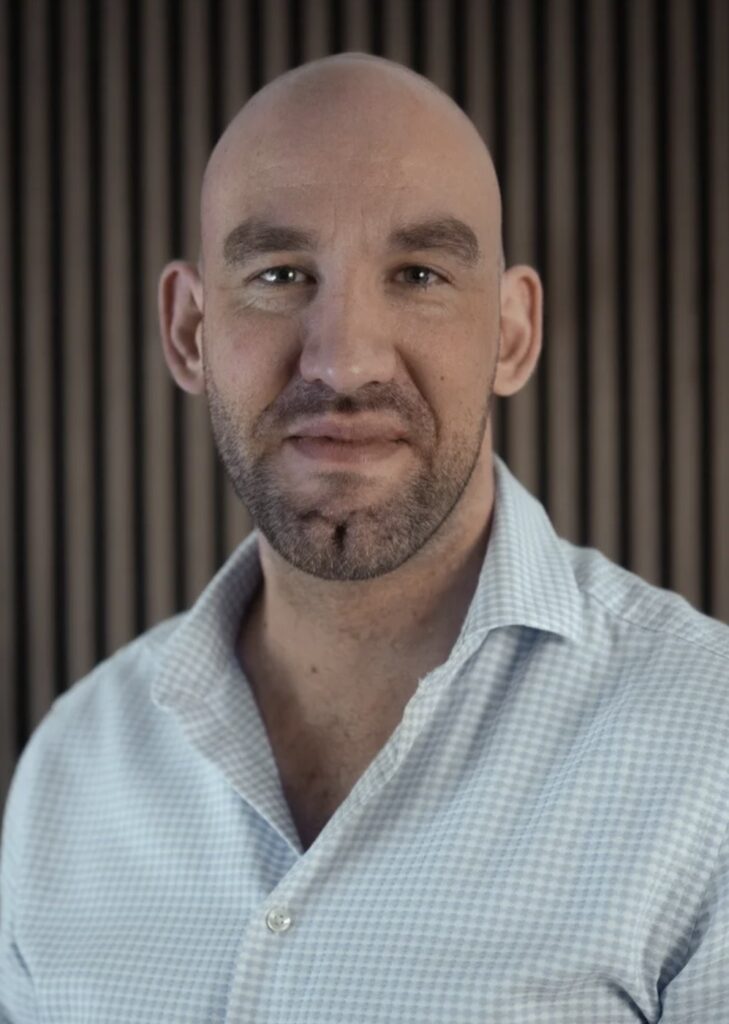
If your jaw aches when you chew, clicks or pops when you open your mouth, or won’t open as wide as it should, you’ll know how much jaw pain can get in the way of eating and sleeping. I’m Robert Green, a GOsC-registered osteopath (no. 11480) at our Overton clinic. Call me on 01256 578137 if you’d rather talk first.
- Free 15-minute consultation, in person or by telehealth call, before you book
- £60 for 45 minutes, pay as you go
- Free parking at the clinic
On this page: what jaw pain can feel like, what can cause it, your first appointment, what you can do yourself, and when to get help straight away.
Jaw pain an osteopath may help with
Osteopathy may help with jaw pain, including temporomandibular disorder (TMD). Everyone responds differently, so I’ll always talk you through what to expect.
We also offer acupuncture, which may be used for short-term relief from temporomandibular (TMD/TMJ) pain. More on acupuncture.
This page is about everyday jaw pain: the jaw that aches, clicks or stiffens. If you have chest pain that spreads to your jaw, or you suddenly can’t see from one or both eyes, please read when to get help straight away first.
What jaw pain can feel like
Jaw pain is often felt around the jaw, the ear and the temple. Some people have clicking, popping or grinding noises when they move their jaw, a headache around the temples, difficulty opening their mouth fully, or a jaw that locks when they open their mouth.[1] The pain may be worse when chewing and when you feel stressed, and it can stop you getting a good night’s sleep.[1]
I think of pain as your body’s alarm system. Sometimes that alarm becomes more sensitive and overprotective, so everyday movements hurt more than they need to, and it doesn’t always mean there’s damage.[2] Sleep, stress and how much you move can all turn it up or down.[2]
About jaw pain
Possible causes
Jaw pain is often from temporomandibular disorder (TMD), a condition affecting the movement of the jaw. It’s not usually serious and generally gets better on its own.[1] TMD can be caused by:[1]
- teeth grinding
- wear and tear of the joint
- a blow to the head or face
- stress
- an uneven bite
If your headaches seem to come from your neck, there’s more on my Headache from the neck page. If your neck itself is stiff or sore, there’s more on my Neck pain page.
What happens at your first appointment
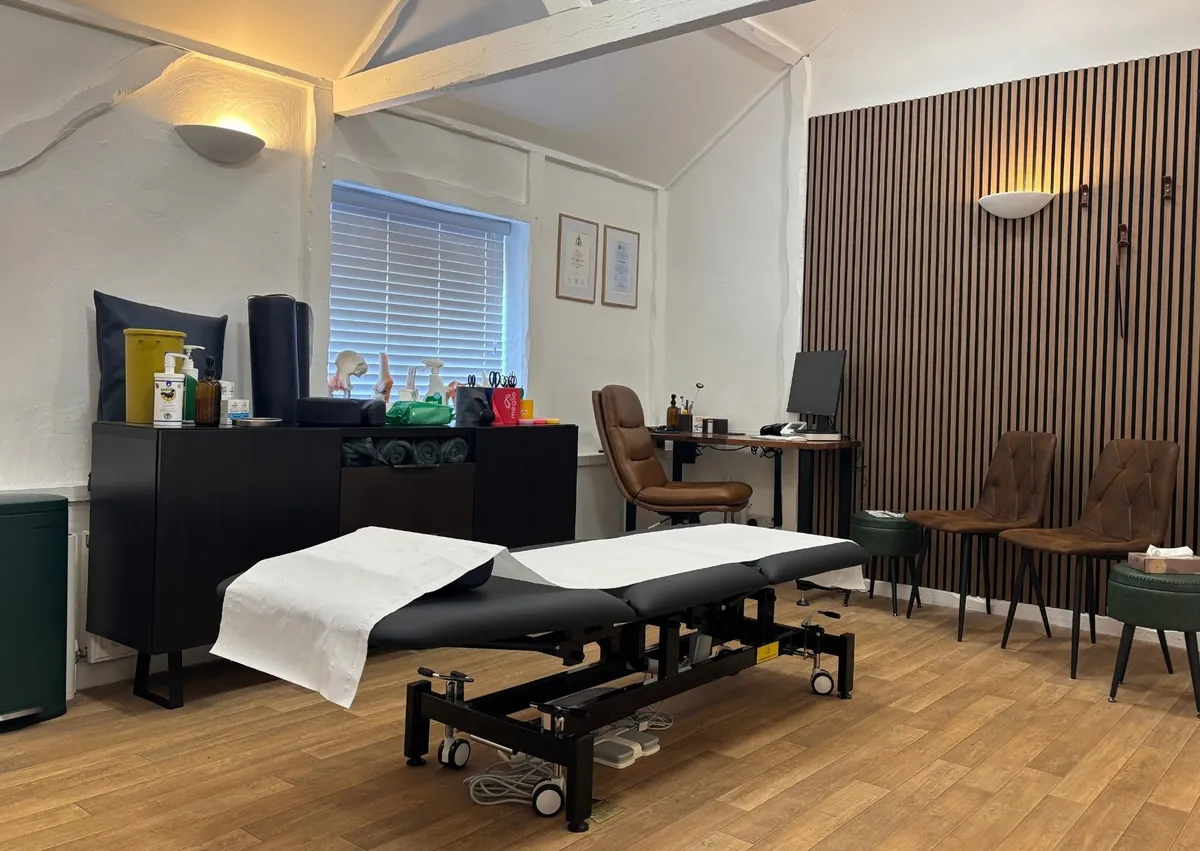
Your first appointment is 45 minutes and costs £60. I ask about your jaw, when it hurts and what sets it off, how you’re sleeping, and what you’d like to get back to. I look at how your jaw opens and moves, and check your neck and the muscles around your jaw too. I explain what I think is going on, in plain English, and we agree a plan together. That may include hands-on care, if you agree, such as massage of the jaw muscles, and jaw exercises,[1] with videos on the Rehab Guru app. You can ask me to stop at any time. If I think you need a dentist or another opinion, I’ll tell you and refer you on (my approach).
I qualified with a BOst (Hons), I’m registered with the General Osteopathic Council, and I’m studying for an MSc in Clinical Pain Management.
You pay as you go and you don’t need a GP referral. A free 15-minute consultation, in person or by telehealth call, is available first. I also offer video appointments through Cliniko, and home visits, priced by visit. Patients aged 8 and over are welcome, and so are pregnant women. I can see patients covered by AXA Health, Aviva, WPA, Vitality, Allianz, Medicash and Cigna: please check your policy first. More on fees and booking. Some people feel sore or achy for a short time after hands-on treatment; I’ll explain what to expect before we start, and you can call me if you’re worried.
Looking after yourself in the meantime
Jaw pain from TMD usually gets better without treatment, but there are things you can do to ease it:[1]
- Soft food. Eat soft food, like pasta, omelettes and soup, and don’t bite food with your front teeth.[1]
- Ice or heat. Hold an ice pack or a heat pack, wrapped in a tea towel, to your jaw, whichever feels better: a pack of frozen peas for no more than 5 minutes at a time, or a hot water bottle for 15 to 20 minutes, twice a day.[1]
- Massage. Gently massage the painful jaw muscles.[1]
- Relax. Try to find ways to relax, because the pain may be worse when you feel stressed.[1]
- Ease off what strains it. Don’t chew gum or pen tops, bite your nails or yawn too wide.[1]
- Painkillers. If you need something for the pain, paracetamol or ibuprofen may help; ask a pharmacist which is right for you.[1]
Try this now: check whether your teeth are touching. Apart from when you’re eating, your teeth should be apart, so let your jaw relax.[1]
When to call me. Call me on 01256 578137 if your jaw isn’t getting better, it keeps locking, you can’t open your mouth fully, or the pain is stopping you eating or sleeping. If you’re unable to eat or drink, call me straight away.[1]
Visiting us at our Overton clinic
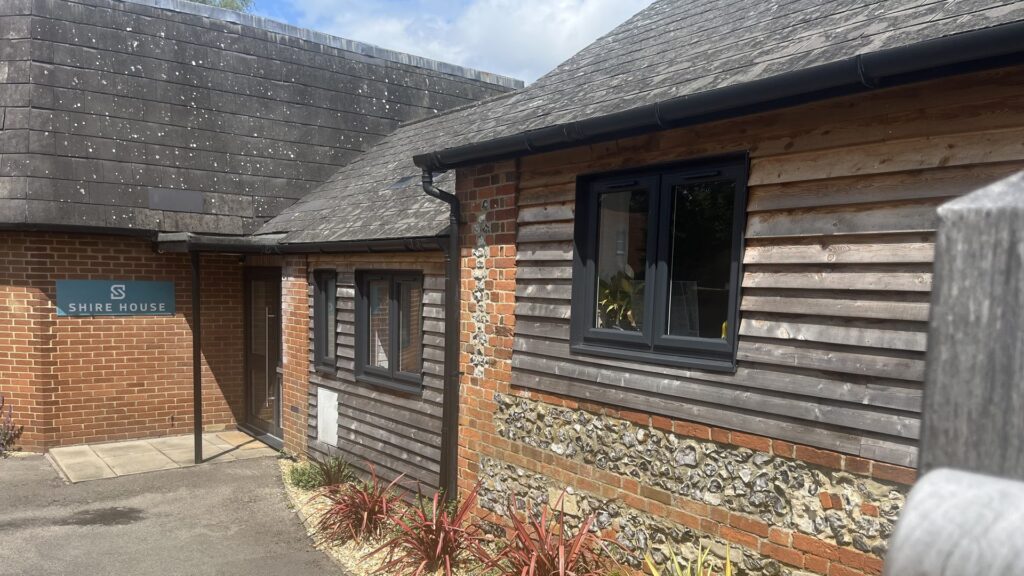
If you’re looking for an osteopath for jaw pain near Basingstoke, we’re at Shire House, Waltham Road, Overton, Hampshire RG25 3NJ, about 8 miles from Basingstoke, with a free private car park outside. There’s one small step at the entrance (I’m happy to help), then wide doorways and a wheelchair-accessible toilet. Open Monday to Friday, 9am to 8pm; Saturdays with me by arrangement. Hannah Lawrence also sees clients every other Sunday, 9am to 12 noon, and on Wednesday evenings. Directions and a map.
Jaw pain questions
Is jaw pain from TMD serious?
It’s not usually serious, and it generally gets better on its own.[1] If you have chest pain that spreads to your jaw, or you suddenly can’t see from one or both eyes, read when to get help straight away.
What can I eat if my jaw hurts?
Soft food, like pasta, omelettes and soup, is easier on your jaw. Try not to bite food with your front teeth, and don’t chew gum.[1] If you’re unable to eat or drink, call me straight away on 01256 578137.
Should I use ice or heat on my jaw?
Whichever feels better. A pack of frozen peas wrapped in a tea towel for no more than 5 minutes at a time, or a hot water bottle wrapped in a tea towel for 15 to 20 minutes, twice a day.[1]
Do I need to see a dentist?
Not always. If I think teeth grinding may be playing a part, I’ll tell you and suggest you see your dentist.[1] If I think you need another opinion, I’ll refer you on.
Where can I see an osteopath for jaw pain, and do I need a referral?
Overton and North Waltham Osteopathy is at Shire House, Waltham Road, Overton RG25 3NJ, about 8 miles from Basingstoke. You don’t need a GP referral. An appointment with Robert Green costs £60 for 45 minutes, pay as you go, and a free 15-minute consultation is available first. Patients aged 8 and over are welcome. Call 01256 578137 or book online.
Book an appointment
Choose a time that suits you below, or call me on 01256 578137 if you would rather talk first.
When to get help straight away
Call 999 or go to A&E if:
- you have chest pain that feels tight or like squeezing, or chest pain that spreads to your arms, neck or jaw[3]
- you suddenly can’t see from one or both eyes[4]
Don’t drive yourself to A&E: ask someone to take you, or call 999 and ask for an ambulance.[3][4] If you have any of these, please don’t wait for an appointment with me.
Call me straight away on 01256 578137 if you have jaw pain while eating or talking, along with frequent, severe headaches, pain or tenderness at the side of your head or on your scalp, or changes in your vision, such as double vision.[5] These signs need same-day urgent medical care: I’ll tell you what to do, and if you cannot reach me, go to A&E.
Call me straight away on 01256 578137 if you’re unable to eat or drink.[1]
Call me straight away on 01256 578137 if you’ve lost weight without trying to, and your pain is worse at night.
For anything else, call me on 01256 578137 and I’ll talk it through. I’ll tell you if I think you need urgent medical care.
Sources
- NHS. Temporomandibular disorder (TMD). nhs.uk. Accessed 24 November 2026.
- YourPhysio (NHS MSK physiotherapy service). Persisting pain. yourphysio.org.uk. Accessed 24 November 2026.
- NHS. Heart attack. nhs.uk. Accessed 24 November 2026.
- NHS. Vision loss. nhs.uk. Accessed 24 November 2026.
- NHS. Temporal arteritis. nhs.uk. Accessed 24 November 2026.
The advice on this page is written by Robert Green, osteopath, in his own words, using these sources.