Fibromyalgia treatment near Basingstoke, at our Overton osteopathy clinic
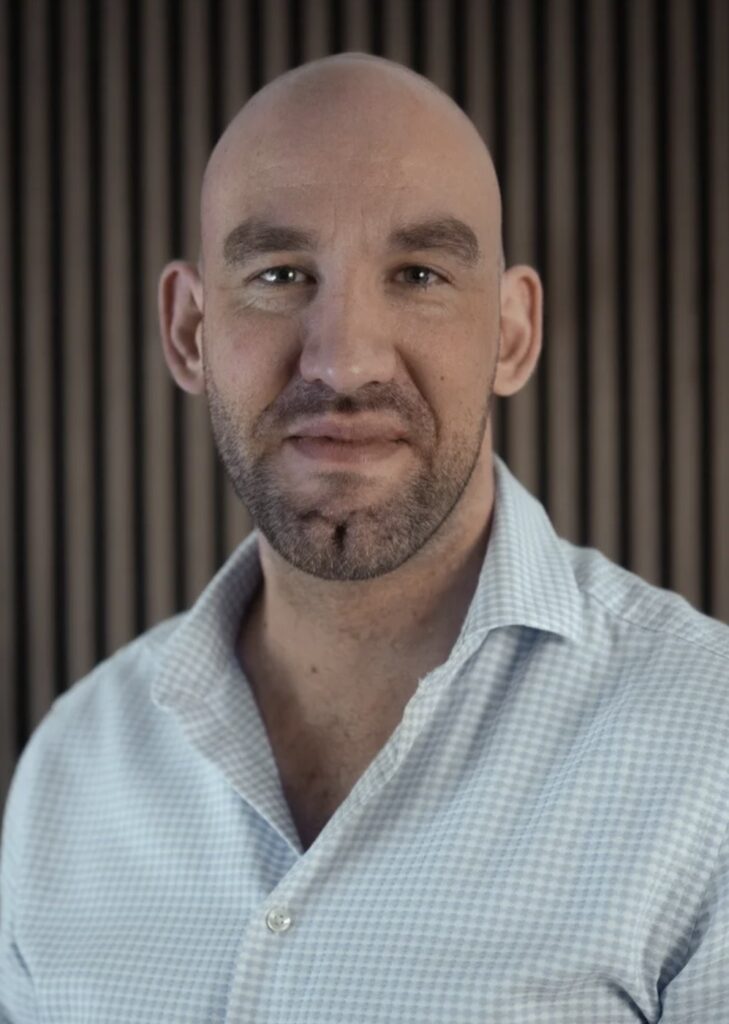
If pain all over your body has been wearing you down, you may be looking for fibromyalgia treatment near Basingstoke. I’m Robert Green, a GOsC-registered osteopath (no. 11480) at our Overton clinic. Call me on 01256 578137 if you’d rather talk first.
- Free 15-minute consultation, in person or by telehealth call, before you book
- £60 for 45 minutes, pay as you go
- Free parking at the clinic
On this page: what fibromyalgia can feel like, what we know about it, flare-ups and pacing, your first appointment, what you can do yourself, and when to get help straight away.
Jump to a section
- How an osteopath may help with fibromyalgia
- What fibromyalgia can feel like
- About fibromyalgia
- Flare-ups and pacing
- What happens at your first appointment
- Looking after yourself in the meantime
- Visiting us at our Overton clinic
- Fibromyalgia questions
- Related pages
- Book an appointment
- When to get help straight away
How an osteopath may help with fibromyalgia
Osteopathy may help with fibromyalgia, and everyone responds differently. I hold a BOst (Hons) and am studying for an MSc in Clinical Pain Management.
This page is about living with fibromyalgia.
What fibromyalgia can feel like
The main thing is pain all over your body.[1] You may also be more sensitive to pain, feel stiff, sleep badly and wake up tired, find it hard to concentrate or remember things (often called “fibro-fog”), get headaches, and feel frustrated, worried or low.[1] It can change from day to day: sometimes it suddenly gets better, and sometimes worse.[1]
Your pain is real. Pain usually has a protective purpose, a bit like an alarm. With long-lasting pain, the body’s pain system can become more sensitive and overprotective, so everyday movements can feel more painful than they need to.[5] I sometimes compare it to a smoke alarm that goes off at toast as well as at fire.
About fibromyalgia
What it is
Fibromyalgia, also called fibromyalgia syndrome, is a long-term condition that causes pain all over the body.[1] It can be hard to diagnose, because there’s no specific test and the symptoms can look like those of other conditions.[1] You don’t need a diagnosis to book with me. If you’d like to talk your symptoms through, call me on 01256 578137.
Possible causes
Nobody knows exactly what causes fibromyalgia. It often seems to be triggered by something physical or emotional, such as an injury, an infection or stress.[1] Anxiety, physical or emotional trauma and poor sleep are all thought to play a part.[3] The pain isn’t caused by inflammation or damage you can see, but that doesn’t mean it’s unreal or “all in your mind”.[3] For more on the family side, see whether fibromyalgia is hereditary.
Why it can feel so loud
Pain is affected by many things, including sleep, stress and emotions, as well as your physical health.[5] That’s why I look at the whole picture, not just one sore spot. If your pain has lasted a long time, there’s more on support for persistent pain.
If a muscle also cramps or goes into spasm, there’s more on my Muscle spasms and cramp page.
Flare-ups and pacing
It’s common for fibromyalgia to flare up, making your symptoms suddenly worse.[3] Pacing is an important thing to learn.[3] It means balancing activity and rest, so you don’t overdo it on good days or feel worse after doing too much.[3]
- Break jobs into smaller chunks, with rests in between.[3] Hoover one room, not the whole house.
- Listen to your body and take breaks when you need them.[3]
- Build up slowly. The goal is to do a little more over time in a way that works for you, without making your symptoms worse.[3]
Try this now: pick one thing you do most days that tends to leave you worse afterwards, and split it into two shorter goes with a rest in between.
When to call me. Call me on 01256 578137 if a flare-up isn’t settling, your symptoms change, or you’re not sure how to pace things.
What happens at your first appointment
Your first appointment is 45 minutes and costs £60. I listen to your story, ask how fibromyalgia affects your days and examine you. I explain what I think is going on, including how long-lasting pain works, in plain English, and we agree a plan together. We can talk about sleep and stress, and agree gentle activity that you build up slowly, with exercise videos on the Rehab Guru app. That may include hands-on care, if you’d like it: I’ll explain what I plan to do first, and you can ask me to stop at any time (my approach). If I think you need further tests, I’ll tell you and refer you on.
You pay as you go and you don’t need a GP referral. A free 15-minute consultation, in person or by telehealth call, is available first. I also offer video appointments through Cliniko, and home visits, priced by visit. I can see patients covered by AXA Health, Aviva, WPA, Vitality and Allianz: please check your policy first. More on fees and booking.
Looking after yourself in the meantime
- Stay active, at your own pace. Exercise has a number of important benefits in fibromyalgia, and staying active is good for your health in the longer term.[1][2] Swimming, brisk walking and cycling are good places to start.[3] More on exercise rehabilitation.
- Use a comfort guide. A bit more ache while you’re active is fine, as long as it settles within a day. If you’re much worse the next day, you did a bit too much: ease off, then build up again.
- Look after your sleep. Go to bed and get up at a similar time each day, keep the bedroom dark, quiet and comfortable, and avoid caffeine for 8 hours before bed.[3] A warm bath before bed can help ease pain and stiffness.[3]
- Ease stress. Relaxation techniques can matter as much as exercise.[3] Talking therapies, such as cognitive behavioural therapy (CBT), are one of the treatments for fibromyalgia.[1]
- Talk to others. Support groups can be an important network.[1] Fibromyalgia Action UK has a helpline on 0300 999 3333, Monday to Friday, 10am to 4pm.[4]
A common belief is that if moving hurts, you should stop and rest until it doesn’t. With fibromyalgia, gentle activity, built up slowly and paced, is an important part of looking after yourself.[1][3]
Try this now: go for a gentle 5-minute walk today, and the same tomorrow. If you feel no worse, add a minute or two next week.
Visiting us at our Overton clinic
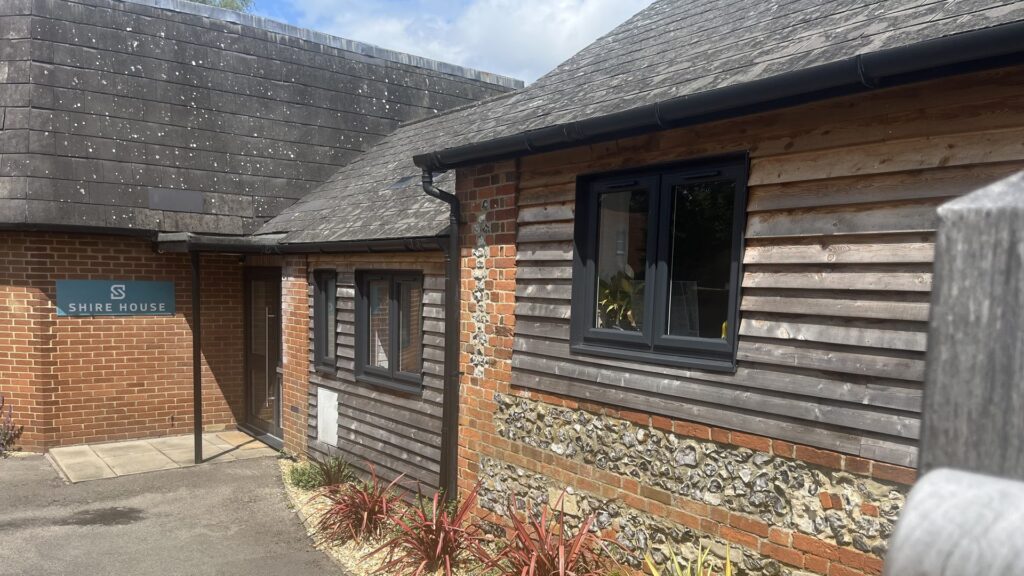
We’re at Shire House, Waltham Road, Overton, Hampshire RG25 3NJ, about 8 miles from Basingstoke, with a free private car park. There’s one small step at the entrance (I’m happy to help), then wide doorways and a wheelchair-accessible toilet. Patients also come from Whitchurch, North Waltham, Oakley and Andover, and we’re a 19-minute walk from Overton station. Open Monday to Friday, 9am to 8pm; Saturdays with me by arrangement. Directions and a map.
Fibromyalgia questions
Should I exercise with fibromyalgia?
Yes, at your own pace. Exercise has important benefits in fibromyalgia, and staying physically active is good for your health in the longer term.[1][2] Build up in a way that works for you, and pace yourself.[3] If you’re not sure where to begin, ask me.
What helps during a fibromyalgia flare-up?
Flare-ups are common.[3] Balance activity and rest, listen to your body and take breaks when you need them.[3] If your symptoms change or get worse, call me on 01256 578137 and we can talk it through.
How is fibromyalgia diagnosed?
It can be hard to diagnose: there’s no specific test, and the symptoms can look like those of other conditions.[1] You don’t need a diagnosis to book with me. I’ll go through your symptoms with you, and refer you on if I think you need further tests.
Do I need a GP referral, and where are you?
No referral is needed. An appointment with Robert Green costs £60 for 45 minutes, pay as you go, and a free 15-minute consultation is available first, in person or by telehealth call. We’re at Shire House, Waltham Road, Overton RG25 3NJ, about 8 miles from Basingstoke, with free parking. Call 01256 578137 or book online.
Book an appointment
Choose a time that suits you below, or call me on 01256 578137 if you would rather talk first.
When to get help straight away
If you feel you may harm yourself: call 999 if you are in immediate danger. Otherwise call NHS 111 and choose the mental health option, or ring Samaritans free on 116 123.[6][7]
Call me straight away on 01256 578137 if you have a hot, swollen joint with a high temperature,[8] or you have lost weight without trying and your pain is worse at night.
For anything else, call me on 01256 578137 and I’ll talk it through. I’ll tell you if I think you need urgent medical care.
Sources
- NHS. Fibromyalgia. Accessed 13 November 2026.
- NICE. Chronic pain (primary and secondary) in over 16s: assessment of all chronic pain and management of chronic primary pain (NG193), recommendations. Accessed 13 November 2026.
- Arthritis UK. Fibromyalgia. Accessed 13 November 2026.
- Fibromyalgia Action UK. Fibromyalgia Action UK. Accessed 13 November 2026.
- YourPhysio (NHS MSK physiotherapy service). Persisting pain management. Accessed 13 November 2026.
- NHS. Where to get urgent help for mental health and Help for suicidal thoughts. Accessed 13 November 2026.
- Samaritans. Samaritans, free helpline 116 123. Accessed 13 November 2026.
- NHS. Septic arthritis. Accessed 13 November 2026.
The advice on this page is written by Robert Green, osteopath, in his own words, using these sources.