Muscle spasms and cramp treatment in Overton, near Basingstoke
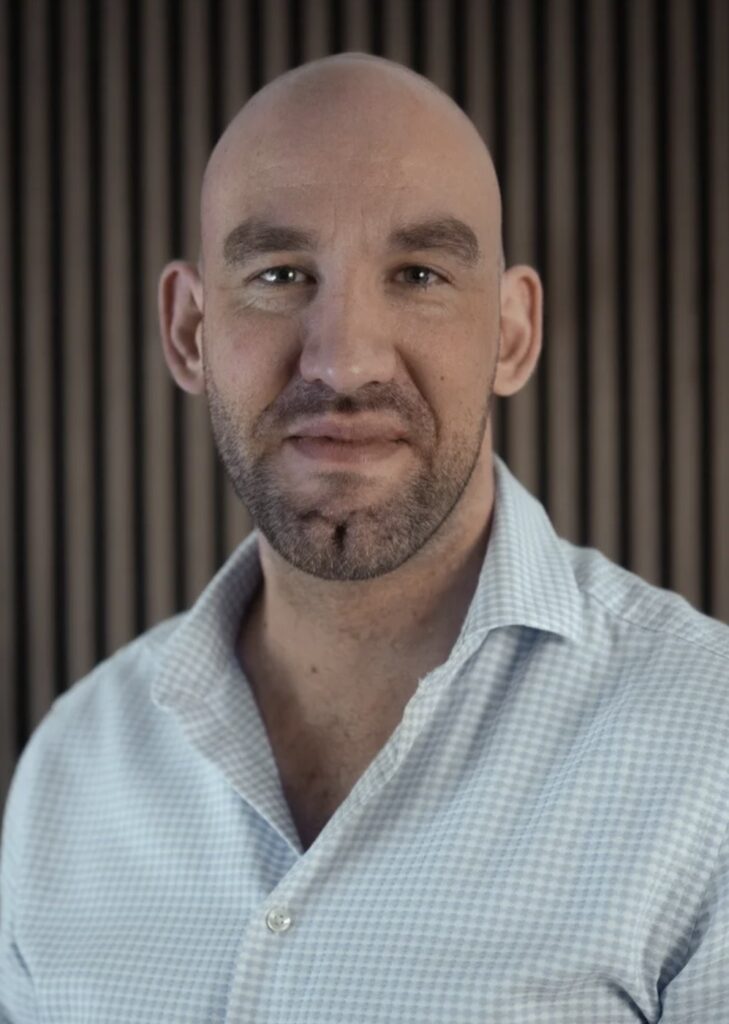
If cramp has grabbed your calf in the middle of the night, or your back or neck has locked up in a painful spasm, you’ll know how quickly it can stop you in your tracks. I’m Robert Green, a GOsC-registered osteopath (no. 11480) at our Overton clinic. Call me on 01256 578137 if you’d rather talk first.
- Free 15-minute consultation, in person or by telehealth call, before you book
- £60 for 45 minutes, pay as you go
- Free parking at the clinic
On this page: what muscle spasms and cramp can feel like, what can cause them, your first appointment, what you can do yourself, spasm in the back or neck, cramp in the legs and feet, and when to get help straight away.
Jump to a section
- Muscle spasms and cramp an osteopath may help with
- What muscle spasms and cramp can feel like
- About muscle spasms and cramp
- What happens at your first appointment
- Looking after yourself in the meantime
- Visiting us at our Overton clinic
- Muscle spasms and cramp questions
- Related pages
- Book an appointment
- When to get help straight away
Muscle spasms and cramp an osteopath may help with
Osteopathy may help with muscle spasms and cramp. Everyone responds differently, so I’ll always talk you through what to expect.
This page is for muscles that tighten and grip without a clear injury: a back or neck that suddenly locks up, or cramp that wakes you at night. If you’ve hurt a muscle playing sport or at the gym, there’s more on my minor sports injuries page. If your calf is swollen, or you have chest pain or feel short of breath, please read when to get help straight away first.
What muscle spasms and cramp can feel like
A spasm or a cramp is a muscle tightening on its own and not letting go, and it can really hurt.[1][2] Cramp tends to come on suddenly, often in the calf, and can make it hard to move for anything from a few seconds to 10 minutes. It’s less common in the feet or thighs. Most people get cramp at night or while they’re resting, and the muscle can feel sore for up to a day afterwards.[2] Cramp is common and usually harmless.[2]
A spasm in your back or neck can feel different: a sudden grab when you bend, twist or turn your head, then a stiff, guarded feeling as the muscles hold everything still.
I think of pain as your body’s alarm system. Sometimes that alarm becomes more sensitive and overprotective, so everyday movements hurt more than they need to, and it doesn’t always mean there’s damage.[3] Sleep, stress and how much you move can all turn it up or down.[3]
About muscle spasms and cramp
Possible causes
Often there’s no single reason a muscle cramps or goes into spasm, and for some cramps the reason is never found.[2] Things that can play a part include:
- a pulled muscle, called a strain, which can bring on spasm or cramping[1]
- working a muscle hard during exercise, especially in hot or humid weather, and tired muscles or not warming up[2][1]
- not drinking enough fluids[2]
- getting older, and the later stages of pregnancy[2]
- some medicines, such as statins for cholesterol or diuretics for blood pressure[2]
- sleeping with your neck in an awkward position, or long spells at a desk[4]
There’s more on this on my Minor sports injuries page.
If a new medicine seems to have started your cramps, please don’t stop taking it. Ask a pharmacist, and tell me when you book.
Less common causes. Less often, cramp can be linked to liver disease from drinking too much alcohol.[2] Calf pain that feels like cramp, comes on every time you walk and eases after a few minutes’ rest can be a sign of a problem with the blood supply to the legs (peripheral arterial disease).[5] Muscle stiffness and aches in lots of places that go on for months can have several causes, and one is fibromyalgia.[6] There’s more on fibromyalgia on my website.
If any of that sounds like you, tell me when you book or call me on 01256 578137. I’ll check for it, and if I think it needs tests I’ll tell you and refer you on.
The sections further down look at spasm in the back or neck, and cramp in the legs and feet.
What happens at your first appointment
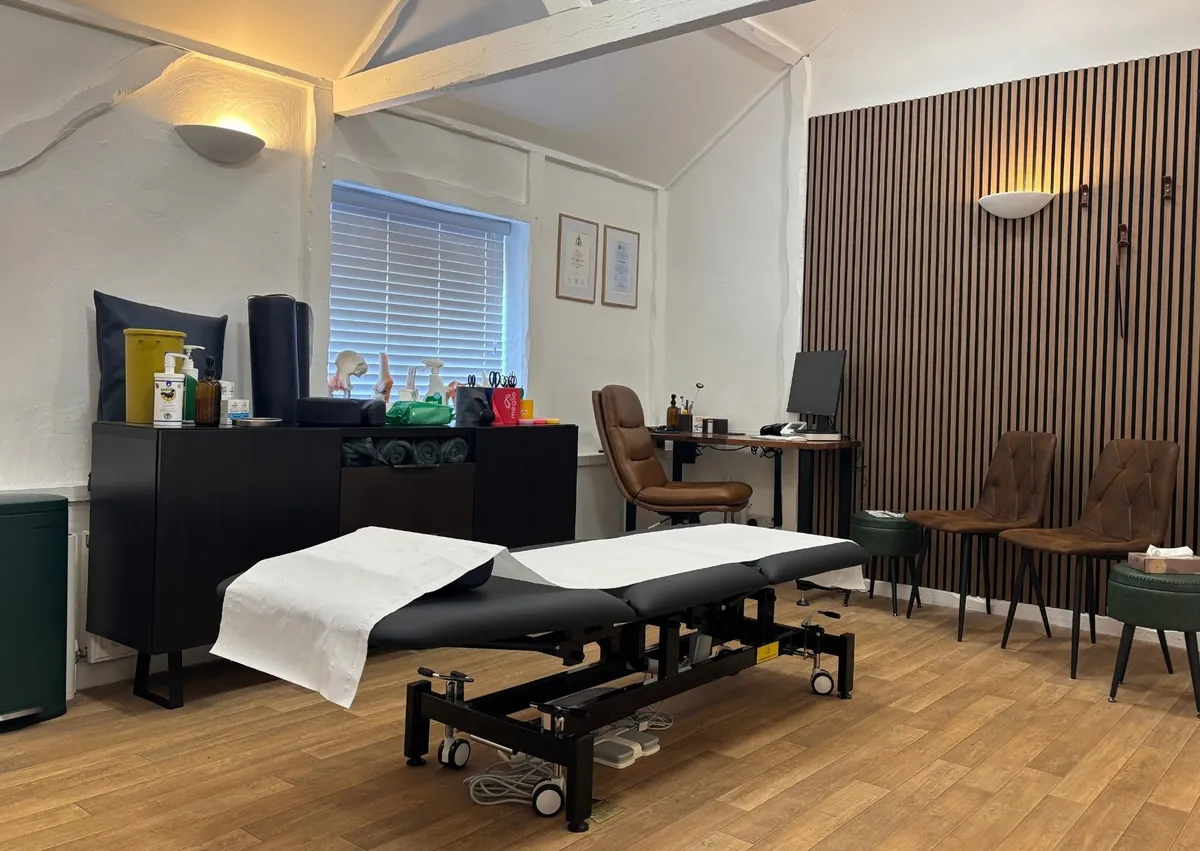
Your first appointment is 45 minutes and costs £60. I ask what happens when the spasm or cramp comes on, how often, what you were doing, how you’re sleeping, any medicines you take, and what you’d like to get back to. I watch how you move and examine the muscles and joints around the problem, and look further afield too, because your back, hips or neck can all play a part. I explain what I think is going on, in plain English, and we agree a plan together. That may include hands-on care, if you agree, such as soft-tissue work, stretching and mobilisation, alongside exercises with videos on the Rehab Guru app. You can ask me to stop at any time. If I think something needs further medical investigation, I’ll tell you and refer you on (my approach).
I qualified with a BOst (Hons), I’m registered with the General Osteopathic Council, and I’m studying for an MSc in Clinical Pain Management.
You pay as you go and you don’t need a GP referral. A free 15-minute consultation, in person or by telehealth call, is available first. I also offer video appointments through Cliniko, and home visits, priced by visit, which can help if a locked back makes the car journey hard. Pregnant women are welcome. I can see patients covered by AXA Health, Aviva, WPA, Vitality, Allianz, Medicash and Cigna: please check your policy first. More on fees and booking. Some people feel sore or achy for a short time after hands-on treatment; I’ll explain what to expect before we start, and you can call me if you’re worried.
Looking after yourself in the meantime
A few things help most tight or crampy muscles:
- During a cramp. Gently stretch and rub the muscle. Standing up and putting your weight through that leg can help too. Most cramps ease on their own, even if you do nothing.[2]
- Afterwards. The muscle may feel sore for up to a day. Painkillers can ease the soreness afterwards, but they take too long to work to help while the cramp is happening, so ask a pharmacist which ones are right for you.[2]
- Keep gently moving. With a spasm, staying as active as you can, little and often, usually helps more than lying still.[7][8]
- Warmth. A heat pack or hot water bottle wrapped in a tea towel can ease a muscle that’s gone into spasm. Don’t put it straight onto your skin.[7][8] If you’ve just pulled a muscle, avoid heat for the first couple of days.[1]
- Drink enough. Keep a drink nearby, especially on hot days and when you exercise.[2]
- Warm up first. Warm up before you exercise, and ease off when your muscles are tired.[1]
Try this now: next time cramp comes on, stand up, put your weight through that leg and gently stretch the muscle until it lets go.[2]
About muscle spasm in the back or neck
What it is. A muscle spasm is when a muscle tightens painfully on its own.[1] In the back or neck, the muscles can hold everything still, so it feels as if you’ve locked up.
What it can feel like. A sharp catch when you bend, twist or turn your head, trouble standing up straight or looking over your shoulder, then a deep ache as it starts to ease. There’s more on my Back pain and Neck pain pages.
If you come and see me. If you’d like me to take a look, this is what an appointment involves:
- Check: I ask how it started and what makes it better or worse, watch how you move, and check your back, neck, shoulders and hips.
- Explain and plan: what I think is going on, and a plan to get you moving more easily, including how to keep doing what you need to.
- Hands-on care, if you agree, alongside gentle movement, not instead of it. You can ask me to stop at any time.
- Exercises: gentle movement you can do at home, on Rehab Guru.
Looking after it yourself. Keep going with the steps above, and keep moving little and often.[7] For a stiff neck, a heat pack or a cold pack wrapped in a tea towel and a low, firm pillow can help.[4] If you can’t turn your head properly, don’t drive or cycle until you can.[4]
Try this now: sit up tall and slowly turn your head to look over one shoulder, only as far as is comfortable. Hold for 5 seconds, come back to the middle, then turn the other way. Do this 5 times each side.
When to call me. Call me on 01256 578137 if the spasm keeps coming back, it isn’t easing after a few days, or it’s stopping you doing your day-to-day activities. Call me too if your neck is stiff and you have pins and needles or a cold arm.[4]
About cramp in the legs and feet
What it is. Cramp is a sudden, painful tightening of a muscle, most often in the calf. It’s common, usually harmless and only lasts a short time.[2]
What it can feel like. A hard, knotted calf that pulls your foot or toes into a point, often at night or when you’re resting, and a calf that feels tender the next day.[2] If pain or tingling runs from your back down your leg, rather than one muscle gripping, there’s more on my Sciatica page. If your foot or ankle itself hurts when you walk on it, have a look at my Foot and ankle pain page.
If you come and see me. If you’d like me to take a look, this is what an appointment involves:
- Check: I ask when the cramps come on, how long they last, about your sleep, activity and any medicines, and check your legs, feet, hips and lower back.
- Explain and plan: what I think is going on, and a plan that fits your day.
- Hands-on care, if you agree, alongside stretching. You can ask me to stop at any time.
- Exercises: a calf-stretching routine, on Rehab Guru.
Looking after it yourself. Regular calf stretches may help cut down how often you get cramp, though they may not stop it completely.[2]
Try this now: stand facing a wall and reach out until your hands just touch it, feet flat on the floor. Lean in, pressing your hands against the wall, until you feel a stretch in your calves, and hold for 2 or 3 seconds. Repeat a few times for 5 minutes, 3 times a day, with the last one just before bed.[2]
When to call me. Call me on 01256 578137 if cramps are disturbing your sleep, a cramp lasts longer than 10 minutes, or you also have numbness or swelling in your legs.[2] Call me too if your calves ache or cramp every time you walk and ease when you stop, or your leg pain is there all the time and worse at night.[5]
Visiting us at our Overton clinic
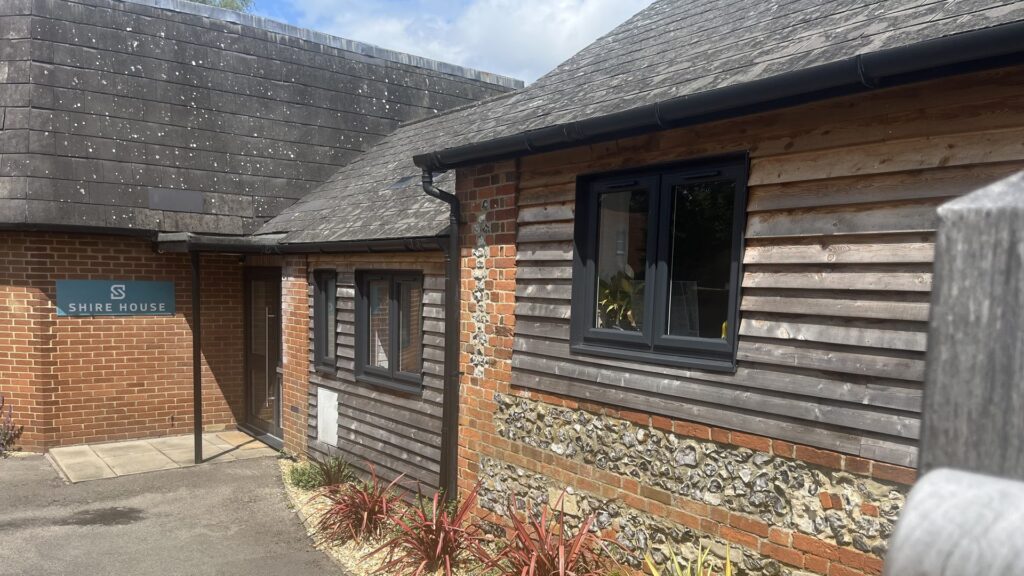
If you’re looking for an osteopath for muscle spasms or cramp near Basingstoke, we’re at Shire House, Waltham Road, Overton, Hampshire RG25 3NJ, about 8 miles from Basingstoke, with a free private car park outside. There’s one small step at the entrance (I’m happy to help), then wide doorways and a wheelchair-accessible toilet. Open Monday to Friday, 9am to 8pm; Saturdays with me by arrangement. Hannah Lawrence also sees clients every other Sunday, 9am to 12 noon, and on Wednesday evenings. Directions and a map.
Sports massage with Hannah Lawrence is also available at the clinic as a separate appointment.
Muscle spasms and cramp questions
How do I stop cramp quickly?
Gently stretch and rub the muscle, or stand up and put your weight through that leg. Most cramps go away on their own, even if you do nothing.[2] If a cramp lasts longer than 10 minutes, call me on 01256 578137.[2]
How can I stop leg cramps at night?
Calf stretches a few times a day, with the last one just before bed, may help cut down how often you get cramp, though they may not stop it completely. Not drinking enough fluids can play a part, so drink enough during the day.[2] If cramps keep disturbing your sleep, call me on 01256 578137 and we’ll look at why.
Should I use heat or ice on a muscle spasm?
Use whichever feels better. A heat pack or hot water bottle wrapped in a tea towel can ease a muscle in spasm, and a cold pack wrapped in a tea towel can ease pain.[7][4] Don’t put either straight onto your skin.[8] If you’ve just pulled a muscle, use a cold pack rather than heat for the first couple of days.[1]
Should I rest or keep moving when a muscle goes into spasm?
Keep moving as much as you comfortably can, little and often. Try not to stay in bed for long periods.[7] If it’s getting worse or not easing after a few days, call me on 01256 578137.
How can I tell if calf pain is just cramp?
Cramp usually comes on suddenly, lasts from a few seconds to 10 minutes, then lets go, though the calf may feel sore for up to a day.[2] A calf that stays painful and throbbing, is swollen, or looks red or darker than usual is different.[9] Read when to get help straight away.
Where can I see an osteopath for muscle spasms or cramp, and do I need a referral?
Overton and North Waltham Osteopathy is at Shire House, Waltham Road, Overton RG25 3NJ, about 8 miles from Basingstoke. You don’t need a GP referral. An appointment with Robert Green costs £60 for 45 minutes, pay as you go, and a free 15-minute consultation is available first. Patients aged 8 and over are welcome. Call 01256 578137 or book online.
Book an appointment
Choose a time that suits you below, or call me on 01256 578137 if you would rather talk first.
When to get help straight away
Call 999 or go to A&E if:
- one leg, usually the calf or thigh, is throbbing and swollen, or the skin around the sore area looks red, blue or darker than usual, and it isn’t letting go like a cramp: you may have a blood clot[9]
- you have a painful, swollen leg and you feel short of breath or have chest pain[9]
- you suddenly find it hard to breathe, or you have pain in your chest or upper back[10]
- you have chest pain that feels tight or squeezing, or that spreads to your arms, neck or jaw[11]
- you’ve hurt a muscle and the area is numb, tingling or has pins and needles, or the skin around it has turned blue or grey or feels cold to touch[1]
If you have any of these, please don’t wait for an appointment with me. Don’t drive yourself to A&E: ask someone to take you, or call 999 and ask for an ambulance. Take any medicines you’re on with you.[9]
Call me straight away on 01256 578137 if a sore muscle is hot and swollen and you have a very high temperature, or you feel hot, cold or shivery.[1]
Call me straight away on 01256 578137 if you’ve lost weight without trying to, and your pain is worse at night.
For anything else, call me on 01256 578137 and I’ll talk it through. I’ll tell you if I think you need urgent medical care.
Sources
- NHS. Sprains and strains. nhs.uk. Accessed 19 November 2026.
- NHS. Leg cramps. nhs.uk. Accessed 19 November 2026.
- YourPhysio (NHS MSK physiotherapy service). Persisting pain. yourphysio.org.uk. Accessed 19 November 2026.
- NHS. Neck pain. nhs.uk. Accessed 19 November 2026.
- NHS. Peripheral arterial disease (PAD). nhs.uk. Accessed 19 November 2026.
- NHS. Fibromyalgia. nhs.uk. Accessed 19 November 2026.
- NHS. Back pain. nhs.uk. Accessed 19 November 2026.
- YourPhysio (NHS MSK physiotherapy service). Low back pain. yourphysio.org.uk. Accessed 19 November 2026.
- NHS. DVT (deep vein thrombosis). nhs.uk. Accessed 19 November 2026.
- NHS. Pulmonary embolism. nhs.uk. Accessed 19 November 2026.
- NHS. Heart attack. nhs.uk. Accessed 19 November 2026.
The advice on this page is written by Robert Green, osteopath, in his own words, using these sources.