Back pain treatment in Overton, near Basingstoke
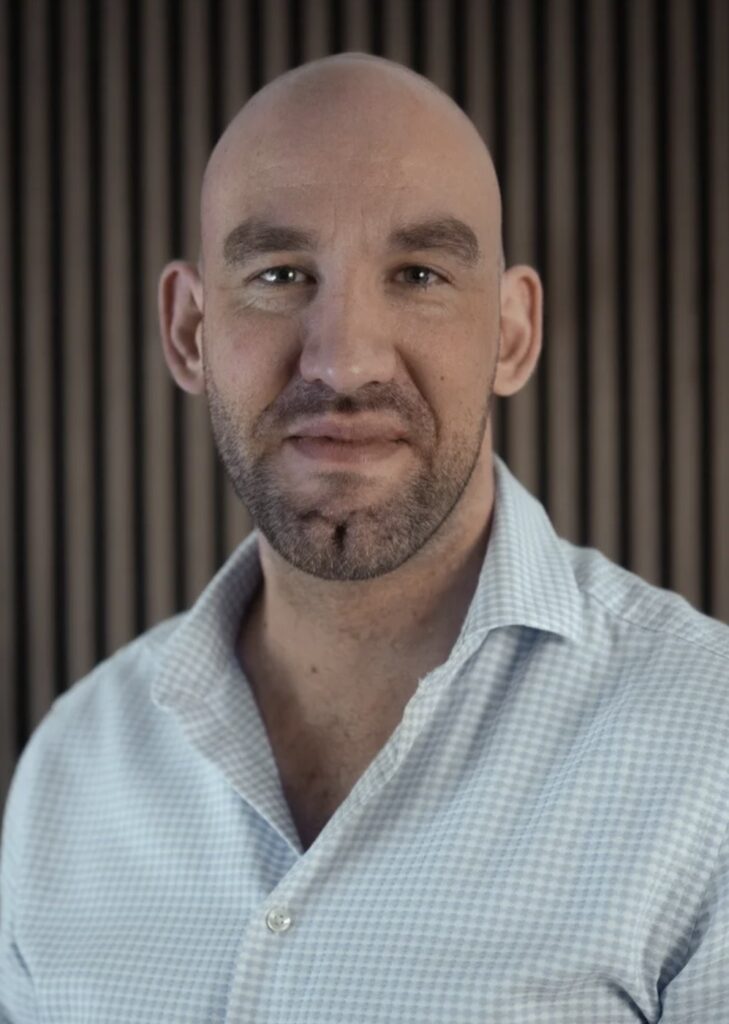
If your back has been aching for days or weeks, or the pain keeps coming back, you may be looking for back pain treatment near Basingstoke. I’m Robert Green, a GOsC-registered osteopath (no. 11480) at our Overton clinic. Call me on 01256 578137 if you’d rather talk first.
- Free 15-minute consultation, in person or by telehealth call, before you book
- £60 for 45 minutes, pay as you go
- Free parking at the clinic
On this page: what back pain can feel like, what can cause it, your first appointment, what you can do yourself for lower back pain, upper and mid back pain, back pain that keeps coming back, and pain low in the back around the pelvis and tailbone, and when to get help straight away.
Back pain an osteopath may help with
Osteopathy may help with general, acute and chronic backache and back pain, including lumbago, that didn’t come from an injury or accident, and everyone responds differently.
Osteopathy may help with sciatica, the leg pain that can come from an irritated nerve in the lower back, often caused by a disc bulging and pressing on the nerve root (sometimes called a slipped disc, though discs can’t actually slip). Everyone responds differently. There’s more on my Sciatica page.
This page is about back pain not arising from injury or accident: for example, an ache that has built up over time, pain that comes and goes, or a stiff, sore back that you can’t link to any one event. Chronic means pain that has lasted three months or longer. If you’ve had a fall or an accident, or your back pain came with numbness or weakness in both legs, please read when to get help straight away first.
We also offer acupuncture, which may be used for short-term relief of chronic low back pain.
What back pain can feel like
Back pain can be a dull ache, stiffness, or a sharp catch when you move. It can come on suddenly or build up over weeks.[1][2] It’s very common, particularly in the lower back, and it usually gets better within a few weeks, though it can last longer or keep coming back.[1] Most episodes of lower back pain settle within 4 to 12 weeks.[2]
I think of pain as your body’s alarm system. Its job is to protect you, and how strong it feels doesn’t always match what’s happening in your back. Your spine is strong and designed to move.[2] Sleep, stress and worry can all turn the alarm up.[2]
About back pain
Possible causes
Back pain has lots of possible causes, and it’s not always obvious what started it. Often it’s a mix of things affecting the muscles, joints and other tissues in your back, and it isn’t possible to pin it on one structure. Even when the exact source is unclear, the things that help are often similar.[2][1] Common ones are:
- a pulled muscle, called a strain[1]
- a disc that bulges and presses on a nerve root (often called a slipped disc, though discs can’t actually slip), which can cause sciatica and send pain down the leg[1][3][11][12]
- long spells in one position, such as sitting at a desk or driving[2]
Things that can make back pain more likely, or slower to settle, include how active you are, long-term stress, poor sleep and smoking.[2]
Less common causes. Less often, back pain comes from an inflammatory condition such as ankylosing spondylitis (axial spondyloarthritis). Clues include back pain that started before you were 45 and has lasted more than three months, stiffness that’s worst first thing and eases as you get moving, pain that wakes you in the second half of the night, and pain in your buttocks. It’s also more likely if a close relative has it, or if you have psoriasis or inflammatory bowel disease.[4][5]
If that sounds like you, tell me when you book or call me on 01256 578137. I’ll check for it, and if I think it needs tests I’ll tell you and refer you on.
The sections further down look at four kinds of back pain: lower back pain and lumbago, upper and mid back pain, back pain that keeps coming back or has lasted months, and pain low in the back around the pelvis and tailbone.
What happens at your first appointment
Your first appointment is 45 minutes and costs £60. I ask about your back, your work and hobbies, and what you’d like to get back to. I watch how you move and examine your back, and look at your hips and the rest of your spine too, because they can all play a part. I explain what I think is going on, in plain English, and we agree a plan together. That may include hands-on care, if you agree, such as soft-tissue work, stretching, mobilisation and, where suitable, manipulation, alongside exercises with videos on the Rehab Guru app. You can ask me to stop at any time. If I think something needs further medical investigation, I’ll tell you and refer you on (my approach).
You pay as you go and you don’t need a GP referral. A free 15-minute consultation, in person or by telehealth call, is available first. I also offer video appointments through Cliniko, and home visits, priced by visit. Pregnant women are welcome. I can see patients covered by AXA Health, Aviva, WPA, Vitality, Allianz, Medicash and Cigna: please check your policy first. More on fees and booking. Some people feel sore or achy for a short time after hands-on treatment; I’ll explain what to expect before we start, and you can call me if you’re worried.
Looking after yourself in the meantime
Whatever the cause, a few things help most backs:
- Keep moving. Stay as active as you can and carry on with your day. Long spells in bed rarely help a sore back, so try little and often: a short walk, a rest, then another short walk.[1][6] If something makes it a lot worse, ease off it for a while, then build back up.[2]
- Gentle exercise. Walking, swimming, cycling, yoga or Pilates, and gentle stretches, are good places to start.[1][2] If an exercise makes your pain a lot worse and it doesn’t settle, do less and build up more slowly.[2]
- Change position often. Backs like variety, so move often and take short rests between jobs rather than staying still for long spells.[2]
- Warmth or cold. For stiffness or spasm, try a heat pack or hot water bottle wrapped in a tea towel. Some people prefer cold: an ice pack or a bag of frozen peas, also wrapped in a tea towel. Use whichever feels better.[1][2]
- Painkillers. If you need something for the pain, ask a pharmacist which tablets or gels are right for you.[1][2]
- Keep working if you can. Staying at work, where possible, usually helps. If you’re struggling, ask your employer about lighter duties for a few weeks.[2]
A common belief is that a sore back means damage, or that you should rest it until it stops hurting. In fact, your spine is strong, and keeping gently active usually helps more than resting.[2][1]
Try this now: set a timer on your phone for every 30 minutes today, and when it goes, stand up, walk around and change position.[2]
About lower back pain and lumbago
What it is. Lower back pain is pain anywhere between the bottom of your ribs and the top of your legs. Lumbago is an old word for it. It’s the most common kind of back pain, and most people have it at some point.[1][2]
What it can feel like. An ache or stiffness across the lower back, sometimes on one side, a sharp catch when you bend or twist, and stiffness after sitting or first thing in the morning. You don’t usually need an X-ray or scan.[6]
If you come and see me. If you’d like me to take a look, this is what an appointment involves:
- Check: I ask how it started and what makes it better or worse, watch how you move, and check your back, hips and legs.
- Explain and plan: what I think is going on, and a plan towards what matters to you, including how to keep doing what you need to.
- Hands-on care, if you agree, alongside exercise, not instead of it. You can ask me to stop at any time.
- Exercises: gentle movement and strength for your back and hips, on Rehab Guru.
Looking after it yourself. Keep going with the steps above. Start with gentle stretches in a comfortable range, then add some strength work as it settles.[2] In bed, some people find lying on their side with a pillow between their knees comfortable.
Try this now: lie on your back with your knees bent and feet flat. Gently let both knees fall to one side, then the other, as far as is comfortable. Do this 10 times.
When to call me. Call me on 01256 578137 if the pain is stopping you doing your day-to-day activities, it isn’t getting better after a few weeks of looking after it yourself, or you’re struggling to cope.[1]
About upper and mid back pain
What it is. Upper and mid back pain is pain between your shoulder blades, or in the middle of your back, around the ribs. It’s less common than lower back pain.[1]
What it can feel like. An ache or stiffness between the shoulder blades, often after long spells at a desk, driving or looking down at a phone, and sometimes with a stiff neck or shoulders too.
If you come and see me. If you’d like me to take a look, this is what an appointment involves:
- Check: I ask how it started and what you do in a normal day, and check your upper back, ribs, neck and shoulders, and look for signs that something else is going on.
- Explain and plan: what I think is going on, and a plan towards what matters to you.
- Hands-on care, if you agree. You can ask me to stop at any time.
- Exercises: movement for your upper back and shoulders, on Rehab Guru.
Looking after it yourself. Keep going with the steps above. Change position often, and take short breaks from your desk or the wheel.[2]
Try this now: sit up tall, then gently squeeze your shoulder blades together and down, hold for 5 seconds and relax. Do this 10 times.
When to call me. Pain that’s coming from the top of your back, between your shoulders, rather than your lower back, is worth getting checked, so call me on 01256 578137 and I’ll talk it through.[1] If you have chest pain, read when to get help straight away now.
About back pain that keeps coming back or has lasted months
What it is. For some people, back pain lasts three months or longer, or keeps flaring up.[1][2] It’s rarely caused by anything serious.[2]
What it can feel like. Good days and bad days, flare-ups after a busy week, a poor night’s sleep or a stressful spell, and worry about what’s going on.
If you come and see me. If you’d like me to take a look, this is what an appointment involves:
- Check: I ask about the whole story, including sleep, stress and work, and look for anything else going on.
- Explain and plan: what I think is going on, and a plan towards what matters to you, with exercise at the heart of it.[6]
- Hands-on care, if you agree, alongside exercise, not instead of it.[6] You can ask me to stop at any time.
- Exercises: building up strength and confidence, on Rehab Guru.
Looking after it yourself. Keep going with the steps above. Looking after your general health, including staying active, sleeping well and managing stress, can help your back over time.[2] There’s more on support for persistent pain.
Try this now: this week, pick one activity you’ve been putting off because of your back, such as a short walk, and do a small amount of it every day.
When to call me. Call me on 01256 578137 if you’re worried about the pain, it’s stopping you doing your day-to-day activities, or you’re struggling to cope.[1]
About pain low in the back
What it is. Tailbone pain is pain and tenderness at the very base of your spine, near the top of your bottom.[7] Common causes include a fall onto it, or sitting for a long time, for example while driving or cycling. Sometimes there’s no clear cause.[7]
What it can feel like. A dull ache most of the time, with sharp pains now and then. It may be worse while you’re sitting, when you sit down or stand up, when you bend forward, or when you go to the toilet.[7] It may improve after a few weeks, but it can sometimes last longer.[7]
If you come and see me. If you’d like me to take a look, this is what an appointment involves:
- Check: I ask how it started, and check your lower back, pelvis and hips, and look for signs that something else is going on.
- Explain and plan: what I think is going on, and what you can do day to day.
- Another opinion: if I think you need tests or another opinion, I’ll tell you and refer you on.
Looking after it yourself. Sit with your lower back supported, and try not to sit for long spells. A specially designed cushion with a cut-out at the back can take pressure off when you sit. Lie on your side in bed. A cold pack wrapped in a towel for 20 to 30 minutes, or a heat pack, can ease it.[7]
Try this now: next time you sit down for a while, put a cushion behind your lower back and stand up every 30 minutes.[7]
When to call me. Call me on 01256 578137 if it hasn’t improved after a few weeks of looking after it yourself, or it’s affecting your daily activities.[7] If you have a high temperature with tailbone pain and pain somewhere else, such as your tummy or lower back, call me straight away.[7]
Visiting us at our Overton clinic
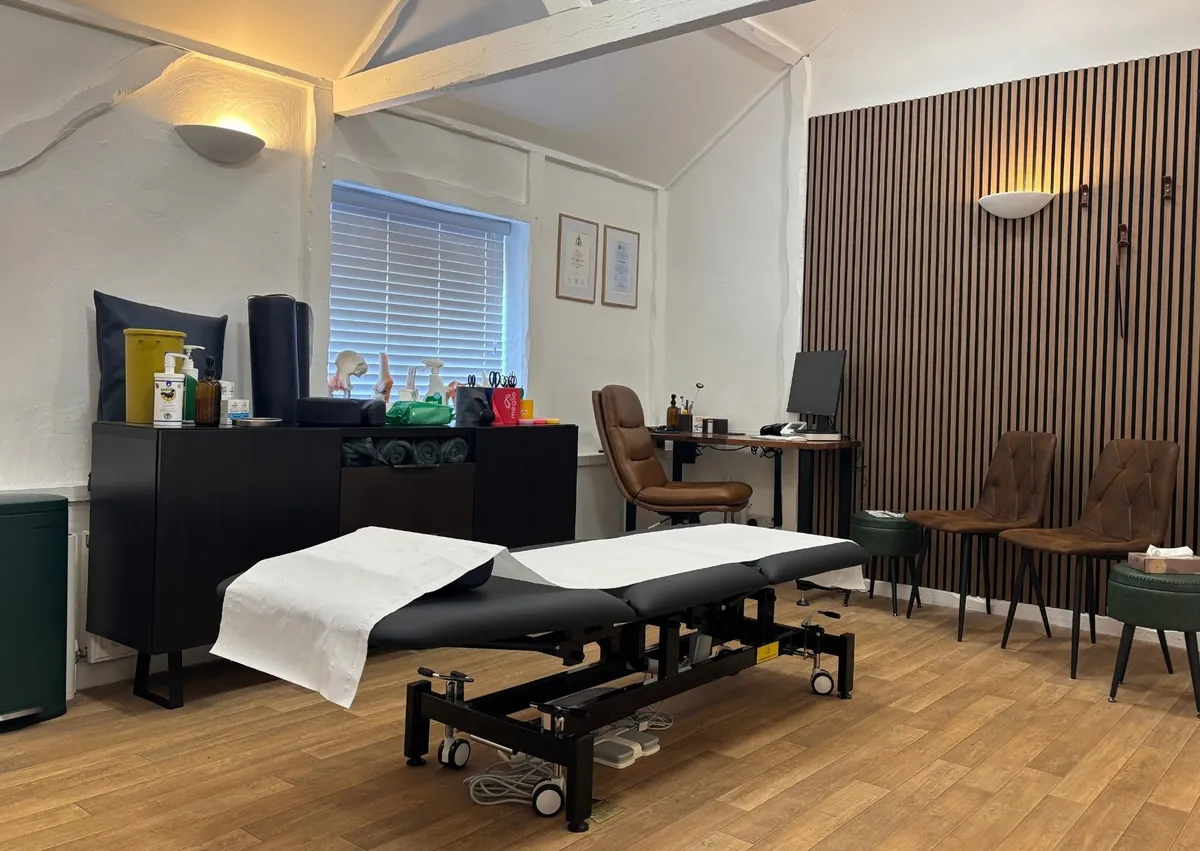
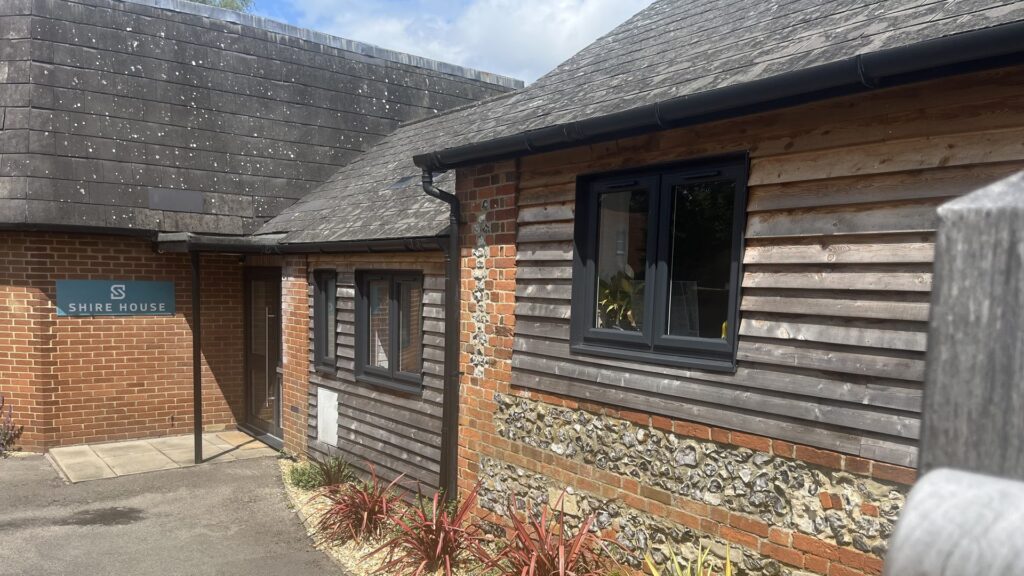
If you’re looking for an osteopath for back pain near Basingstoke, we’re at Shire House, Waltham Road, Overton, Hampshire RG25 3NJ, about 8 miles from Basingstoke, with a free private car park. Patients also come from Whitchurch, North Waltham, Oakley and Andover. There’s one small step at the entrance (I’m happy to help), then wide doorways and a wheelchair-accessible toilet. Open Monday to Friday, 9am to 8pm; Saturdays with me by arrangement. Directions and a map.
Pilates with Lucy is also run at the clinic, in 1:1 sessions, if you’d like help to keep moving.
Back pain questions
Should I rest or keep moving with back pain?
Keep moving as much as you comfortably can. Long spells in bed rarely help a sore back, so try little and often, and carry on with your normal activities where you can.[1][6] If it’s getting worse or not improving, call me on 01256 578137.
Do I need an X-ray or scan for back pain?
Usually not. Scans aren’t routinely needed for back pain, and further tests are rarely needed.[6][2] If I think you need one, I’ll tell you and refer you on. If your back pain started after a serious accident, read when to get help straight away.
Why do I get lower back pain when sitting?
Staying in one position for a long time can make back pain worse, so the answer is usually more movement rather than the “right” chair.[2] Stand up, stretch and change position often, with short, frequent breaks.[2] If sitting is stopping you doing your day-to-day activities, call me on 01256 578137.
What gentle lower back pain exercises can I try?
Start with gentle walking and simple stretches, little and often. Swimming, cycling, yoga or Pilates are good too.[1][2] At your appointment I’ll show you exercises that suit your back, with videos on the Rehab Guru app. Start gently, and if your pain gets a lot worse, stop and call me on 01256 578137.
Should I use heat or ice on my back?
Use whichever feels better. A heat pack or hot water bottle wrapped in a tea towel can ease stiffness or spasm, and an ice pack wrapped in a tea towel can ease pain.[1] Don’t put either straight onto your skin.[2]
Where can I see an osteopath for back pain, and do I need a referral?
Overton and North Waltham Osteopathy is at Shire House, Waltham Road, Overton RG25 3NJ, about 8 miles from Basingstoke. You don’t need a GP referral. An appointment with Robert Green costs £60 for 45 minutes, pay as you go, and a free 15-minute consultation is available first. Patients aged 8 and over are welcome. Call 01256 578137 or book online.
Book an appointment
Choose a time that suits you below, or call me on 01256 578137 if you would rather talk first.
When to get help straight away
Call 999 or go to A&E if:
- you have back pain and pain, tingling, weakness or numbness in both legs[1]
- you have back pain and a loss of feeling around your genitals or anus[1]
- you have back pain and changes in your bladder or bowels, such as difficulty peeing, or peeing or pooing yourself[1]
- you have back pain and changes in how your penis or vagina feels during sex, or you can’t get or keep an erection, or orgasm[1]
- you have back pain and chest pain[1]
- your back pain started after a serious accident, such as a car accident[1]
Cauda equina syndrome is when the nerves at the bottom of your spine become compressed.[9] The first four signs above can be signs of it,[9][10] and any of the signs above could mean another serious back problem.[1][3] Either way, you need urgent hospital care.[1] Don’t drive yourself: ask someone to drive you, or call 999 and ask for an ambulance. Take any medicines you’re on with you.[1]
If you have any of these, please don’t wait for an appointment with me.
Call me straight away on 01256 578137 if you have back pain and you feel hot, cold, shivery or generally unwell, or the pain is severe and came on suddenly, or it’s getting worse quickly.[1] Call me straight away too if you have new weakness in a leg or difficulty walking, back pain and you’ve had cancer before, or back pain after a minor fall or lifting something if you have osteoporosis.[2][8]
Call me straight away on 01256 578137 if you have back pain and you’ve lost weight without trying to, and the pain is worse at night.
Call me on 01256 578137 too if there’s a lump or swelling in your back, or your back has changed shape.[1]
For anything else, call me on 01256 578137 and I’ll talk it through. I’ll tell you if I think you need urgent medical care.
Sources
- NHS. Back pain. nhs.uk. Accessed 18 November 2026.
- YourPhysio (NHS MSK physiotherapy service). Low back pain. yourphysio.org.uk. Accessed 18 November 2026.
- NHS. Sciatica. nhs.uk. Accessed 18 November 2026.
- NICE. Spondyloarthritis in over 16s: diagnosis and management (NG65), recommendations. nice.org.uk. Accessed 18 November 2026.
- NHS. Ankylosing spondylitis: symptoms. nhs.uk. Accessed 18 November 2026.
- NICE. Low back pain and sciatica in over 16s: assessment and management (NG59), recommendations. nice.org.uk. Accessed 18 November 2026.
- NHS. Tailbone (coccyx) pain. nhs.uk. Accessed 18 November 2026.
- YourPhysio (NHS MSK physiotherapy service). Cauda equina syndrome. yourphysio.org.uk. Accessed 18 November 2026.
- NHS. Ankylosing spondylitis: Complications (cauda equina syndrome section; the NHS has no separate cauda equina page; page last reviewed 5 January 2023). nhs.uk. Accessed 19 November 2026.
- GIRFT (NHS England). Spinal Surgery: National Suspected Cauda Equina Syndrome (CES) Pathway, February 2023. gloshospitals.nhs.uk. Accessed 19 November 2026.
- North Bristol NHS Trust. Information for patients undergoing cervical (neck) surgery. nbt.nhs.uk. Accessed 20 November 2026.
- NHS. Slipped disc. nhs.uk. Accessed 20 November 2026.
The advice on this page is written by Robert Green, osteopath, in his own words, using these sources.