Minor sports injuries: osteopathy near Basingstoke, at our Overton clinic
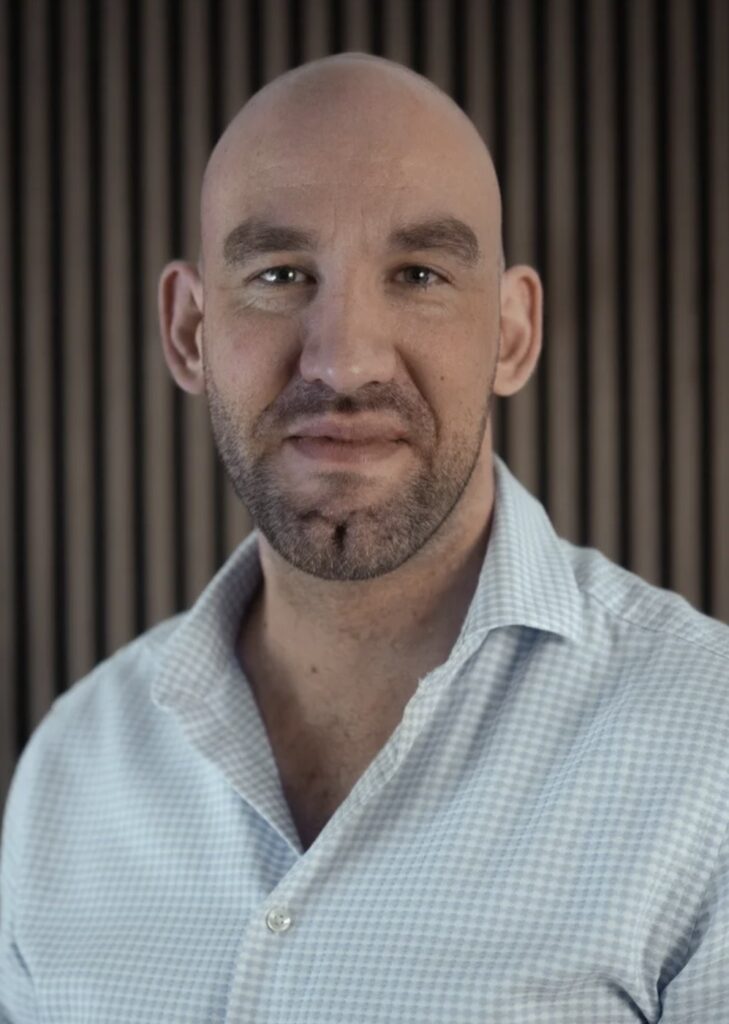
Whether you run, play on a Sunday or train at the gym, a twinge that won’t settle can be worrying. I’m Robert Green, a GOsC-registered osteopath (no. 11480) at our Overton clinic. Call me on 01256 578137 if you’d rather talk first.
- Free 15-minute consultation, in person or by telehealth call, before you book
- £60 for 45 minutes, pay as you go
- Free parking at the clinic
On this page: what a minor sports injury can feel like, what can cause one, your first appointment, what you can do yourself, and when to get help straight away.
Jump to a section
- Minor sports injuries an osteopath may help with
- What a minor sports injury can feel like
- About minor sports injuries
- What happens at your first appointment
- Looking after yourself in the meantime
- Visiting us at our Overton clinic
- Minor sports injury questions
- Related pages
- Book an appointment
- When to get help straight away
Minor sports injuries an osteopath may help with
Osteopathy may help with minor sports injuries, and everyone responds differently.
This page is about mild injuries from sport and exercise. If you think you may have broken a bone, please read when to get help straight away first.
What a minor sports injury can feel like
It usually hurts where you were injured, and the area may be tender, swollen or bruised. You might find it hard to put weight on it or use it normally, and some people get muscle spasm or cramping around it.[1]
I think of pain as your body’s alarm system. Straight after an injury the alarm is turned right up, to make you protect the area. That’s useful at first, but it can stay sensitive for a while, even as things settle.
About minor sports injuries
Possible causes
Most minor sports injuries are sprains or strains. A sprain is a stretched or torn ligament, the strong bands that hold a joint together. A strain is an overstretched or torn muscle, often called a pulled muscle.[1] Tendons, which join muscle to bone, can also become sore when they’re asked to do more than they’re ready for.[6]
Not warming up, tired muscles and playing sport are common reasons.[1] Sport can also irritate the tendons around your shoulder (the rotator cuff), especially sports with a lot of overhead arm movement, such as lifting weights overhead or heavy gym work.[13][14]
There’s more on this on my Shoulder pain page.
The sections further down look at the five areas in the legs I see most often: the ankle, the back of the thigh or calf, the back of the heel, the shin, and the groin.
What happens at your first appointment
Your first appointment is 45 minutes and costs £60. I ask how it happened, examine the area and watch how you move. I explain what I think is going on, in plain English, and we agree a plan together. That may include hands-on care, if you agree, and exercises with videos on the Rehab Guru app. If I think you need an X-ray or another opinion, I’ll tell you and refer you on (my approach).
You pay as you go and you don’t need a GP referral. A free 15-minute consultation, in person or by telehealth call, is available first. Some people feel sore or achy for a short time after hands-on treatment; I’ll explain what to expect before we start.
Looking after yourself in the meantime
For sprains and strains, I use a simple memory aid called PEACE and LOVE, from an article in the British Journal of Sports Medicine.[21] PEACE is for the first few days. LOVE is for what comes after. Each letter is one thing you can do.
The first few days: PEACE
- Protect. For the first 1 to 3 days, ease off the movements that really hurt, so you don’t make it worse.[21] Don’t rest it for longer than you need to, though: let the pain guide you on when to start using it again.[21]
- Elevate. When you can, raise the injured arm or leg above the level of your heart, for example with your foot up on cushions while you lie on the sofa. There isn’t much research on it, but it’s simple and low risk.[21]
- Avoid anti-inflammatories. Inflammation in the first few days is part of how your body starts to repair the injury, so try not to reach for anti-inflammatory tablets or gels as a matter of routine.[21] If you need something for the pain, or you’re not sure what’s right for you, ask a pharmacist. Don’t stop a medicine you’ve been prescribed. Ice may ease the pain for a while, but there isn’t good-quality evidence that it helps a sprain or strain heal, so it’s up to you.[21] If you use it, wrap an ice pack or frozen peas in a tea towel and use it for up to 20 minutes at a time.[1]
- Compress. A snug bandage or support may help limit the swelling.[1][21] It should feel snug, not tight, and take it off before you go to sleep.[5]
- Educate. Staying active and building back up step by step is an important part of recovery from a sprain or strain.[1][21] If you come and see me, I’ll explain what I think is going on and give you a realistic idea of what to expect.
For the first couple of days, also leave out heat, alcohol and massage, because they can add to the swelling.[1]
After that: LOVE
- Load. Once the worst has settled, start using it again: get back to your normal everyday activities as soon as your symptoms allow, and add a bit more over time.[21] Let the pain guide you, and don’t push through pain that’s getting worse.[21]
- Optimism. Feeling worried about an injury is normal. Try to stay positive and keep moving as much as you comfortably can.[21]
- Vascularisation. This means getting your blood flowing. A few days after the injury, start some exercise that gets your heart rate up without hurting the injured area, such as cycling, swimming or walking. If it hurts the injured area, stop and try something else.[21] The idea is to keep you motivated and get blood flowing to the injured area.[21]
- Exercise. Exercises to get back your movement, strength and balance are an important part of recovery from a sprain or strain.[21] Let the pain guide you as the exercises get harder.[21]
Everyone is different, so the exercises I give you on Rehab Guru are built around you and made harder step by step. More on exercise rehabilitation for minor sports injuries.
About pain in the ankle after a twist or roll
Possible causes. When you go over on your ankle, most often it’s a sprain, usually to the ligaments on the outside, when your foot rolls inwards under you.[3] Sprains range from mild to more severe. Uneven ground, quick changes of direction and landing from a jump all play a part, and an ankle that’s been sprained before is more likely to go over again.[3][19]
If your ankle or foot aches without a twist, there’s more on my Foot and ankle pain page.
What it can feel like. Pain and tenderness around the outside of the ankle, swelling or bruising, finding it hard to put weight on it, and stiffness, or the ankle feeling weak or wobbly.[1][2]
If you come and see me. If you’d like me to take a look, this is what an appointment involves:
- Check: I ask how it happened and examine your ankle and foot, including for signs that it could be broken or that something else is going on.
- Explain and plan: what I think is going on, and a plan towards what matters to you.
- Hands-on care, if you agree. You can ask me to stop at any time.
- Exercises: movement, strength and balance, on Rehab Guru.
Looking after it yourself. Start with the PEACE and LOVE steps above. For an ankle in particular:
A common belief is that you should rest a sprained ankle until it stops hurting completely. Once the pain no longer stops you moving it, keep it moving gently so the joint doesn’t get stiff.[1] Seated ankle circles are a good start.[4] Walk little and often, in supportive shoes with a low heel and a soft sole.[2] Many people find their ankle feels less steady for a while, and that’s what balance exercises work on.[21] A mild ache while you exercise is normal, as long as it settles within a day. If the ankle is much more swollen or sore the next day, you did a bit too much: ease off, then build up again. Hold off running and jumping for some weeks.[1]
When to call me. Call me on 01256 578137 if the pain or swelling is getting worse, it isn’t settling, or the ankle keeps giving way. If you heard a crack, it looks the wrong shape, or your foot is numb, tingling, blue, grey or cold, read when to get help straight away first.
About pain at the back of the thigh or calf
Possible causes. This section is about mild muscle strains. The hamstrings are the muscles at the back of your thigh, and the calf muscles are at the back of your lower leg. Either can be overstretched or torn, which most people call a pulled muscle.[1][5] It can happen during sport or exercise, especially if you’re tired, haven’t warmed up, or are getting back into sport after a while away.[5]
There’s more on this on my Muscle spasms and cramp page.
What it can feel like. A sudden sharp pain at the back of the leg while you’re moving. Afterwards the area may feel tender, and it can swell or bruise over the next few hours. Standing or walking on that leg may be hard at first.[5]
If you come and see me. If you’d like me to take a look, this is what an appointment involves:
- Check: how it happened, where it hurts and how you move, and whether something else could be going on.
- Explain and plan: what I think is going on, and a plan towards what you want to get back to.
- Hands-on care, if you agree. You can ask me to stop at any time.
- Exercises: a graded programme on Rehab Guru.
Looking after it yourself. Start with the PEACE and LOVE steps above. For a muscle at the back of the leg:
Once moving the leg no longer hurts so much that it stops you, keep it moving gently so the muscle doesn’t get stiff.[5] When you go back to sport, build up your fitness gradually, warm up first, and stop if you feel the pain coming back. Tired muscles are more likely to get hurt, so it’s worth skipping a hard session if you’re worn out.[5]
Try this now: next time you train, notice how long your warm-up really is. If it’s under five minutes, add a few minutes of easy jogging and leg swings.
When to call me. Call me on 01256 578137 if the pain is getting worse, there’s a lot of swelling or bruising, it hurts to stand or walk, or it isn’t settling. If one leg is throbbing and swollen, or the skin looks red, blue or darkened, read when to get help straight away first.
About pain at the back of the heel
Possible causes. The Achilles tendon joins your calf muscles to your heel bone, and it works hard every time you walk, climb stairs, run or jump. It can become painful and stiff when it’s asked to do more than it’s ready for. That often follows a jump in how much walking, running or sport you’re doing, a change of footwear, or getting going again after a quieter spell.[6]
There’s more on this on my Foot and ankle pain page.
What it can feel like. Pain and stiffness at the back of the heel, sometimes with some swelling, and the pain may spread into the calf. It’s often worst with your first few steps in the morning or after sitting for a while, and when you walk, use stairs, run or play sport.[6]
If you come and see me. If you’d like me to take a look, this is what an appointment involves:
- Check: your history, your footwear and training, how you walk and move, and whether the pain is coming from somewhere else.
- Explain and plan: what I think is going on, and how we’ll build things back up.
- Hands-on care, if you agree. You can ask me to stop at any time.
- Exercises: gradual strengthening on Rehab Guru.
Looking after it yourself. This usually builds up over time rather than starting with a sudden injury, so the first-days PEACE steps don’t really fit. The “Load” part of LOVE does. A common belief is that a sore tendon needs complete rest. Tendons usually do better with gradual loading, so keep moving while you cut back for a while on the things that make it a lot worse.[6] Then build back up gradually as it settles.
Strengthening is the main thing I’ll work on with you, and your programme goes on Rehab Guru. Some discomfort during these exercises is normal, as long as it settles afterwards and isn’t much worse the next day.[6] Wear comfortable, supportive shoes.[6] During a flare-up, a small heel raise inside your shoe may take some strain off the tendon for a short while.[6]
When to call me. Call me on 01256 578137 if the pain is getting worse, keeps coming back, or isn’t settling. If the pain came on suddenly with a snap or pop and you can’t walk normally or stand on tiptoe, read when to get help straight away first.
About pain along the shin
Possible causes. Pain along the front of the lower leg that comes on with exercise, especially running, is often shin splints.[8] It happens when you’ve put more stress through your legs than they’re used to. It’s more likely if you’ve started exercising after a while of not being active, if you run or jump on hard surfaces, or if your running technique puts extra strain on your shins.[8] Not all shin pain is the same, which is why I check.
What it can feel like. Pain and tenderness along the shin, usually brought on by running or other exercise.[8]
If you come and see me. If you’d like me to take a look, this is what an appointment involves:
- Check: where it hurts, what brings it on, your training, footwear and how you run, and whether something else needs looking at.
- Explain and plan: what I think is going on, and a plan to get you back to your running or sport.
- Hands-on care, if you agree. You can ask me to stop at any time.
- Exercises: a graded plan on Rehab Guru.
Looking after it yourself. Stop the exercise that brought it on for now, and switch to something gentler, such as swimming or yoga.[8] This isn’t a sprain or strain, so the first-days PEACE steps don’t really fit, but the “Load” and “Vascularisation” parts of LOVE do: keep active in a way that doesn’t hurt, and build back up gradually.
When you go back, don’t jump straight in at your old level: build up slowly. Run on softer ground if you can, warm up before you exercise and stretch afterwards, and make sure your trainers support your feet properly.[8]
Try this now: look at how much you ran last week compared with a month ago. If it went up quickly, that’s often worth talking through.
When to call me. Call me on 01256 578137 if the pain is getting worse, it’s severe, or it isn’t getting better once you’ve cut back.
About pain in the groin after sport
Possible causes. This section is about mild groin strains. The groin muscles run along the inside of your thigh and help bring your legs together. They can be overstretched or slightly torn,[1] most often in sports with a lot of twisting, turning, quick changes of direction and kicking, such as football.[16]
There’s more on this on my Hip and groin pain page.
Most hip, groin and thigh problems aren’t caused by anything serious.[15]
What it can feel like. Pain on the inside of your thigh, which is tender when you press on it, and pain when you squeeze your knees together or bend your knee.[16] There may be a little swelling or bruising. If the lower tummy muscles are involved, coughing or sneezing can be uncomfortable too.[16]
If you come and see me. If you’d like me to take a look, this is what an appointment involves:
- Check: how it happened, where it hurts and how you move, including your hip and lower back, and whether something else could be going on.
- Explain and plan: what I think is going on, and a plan towards what you want to get back to.
- Hands-on care, if you agree. You can ask me to stop at any time.
- Exercises: a graded programme on Rehab Guru for movement and strength around your hip and groin.
Looking after it yourself. Start with the PEACE and LOVE steps above. For the groin in particular:
In the first couple of days, cut back on whatever makes the pain worse, but try not to stop moving altogether: complete rest usually doesn’t help.[15][16] For the “Compress” step, snug sports leggings work well.[16]
Once the pain is under control, start gentle exercises to get your hip moving and your groin muscles working again, as the pain allows.[16] Build back up to your usual sport gradually.[15] If an exercise makes the pain much worse, ease off and let me know.[16]
When to call me. Call me if the pain is getting worse, there’s a lot of swelling or bruising, or it isn’t settling. If you notice a lump in your groin, call me on 01256 578137 and I’ll check it. If you have sudden, severe pain in a testicle, or a groin lump that has suddenly become very painful, read when to get help straight away first.
Visiting us at our Overton clinic
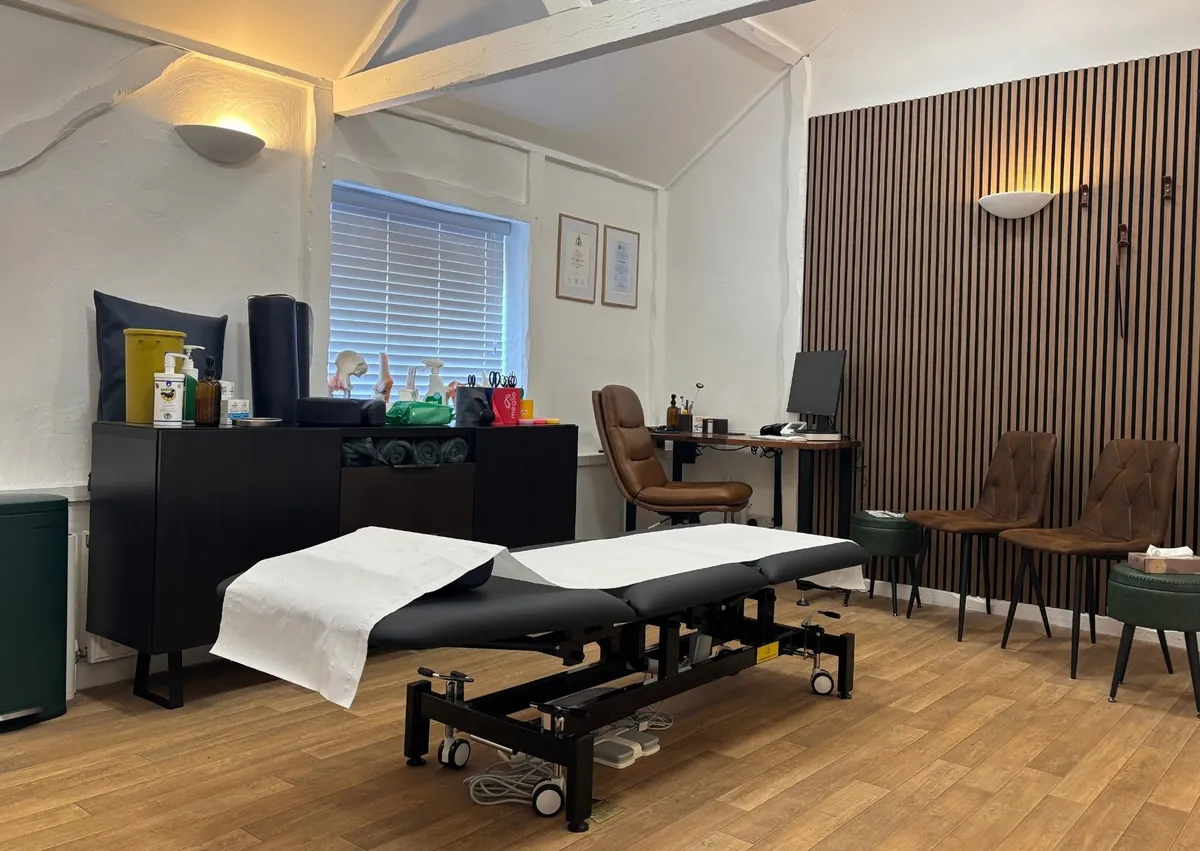
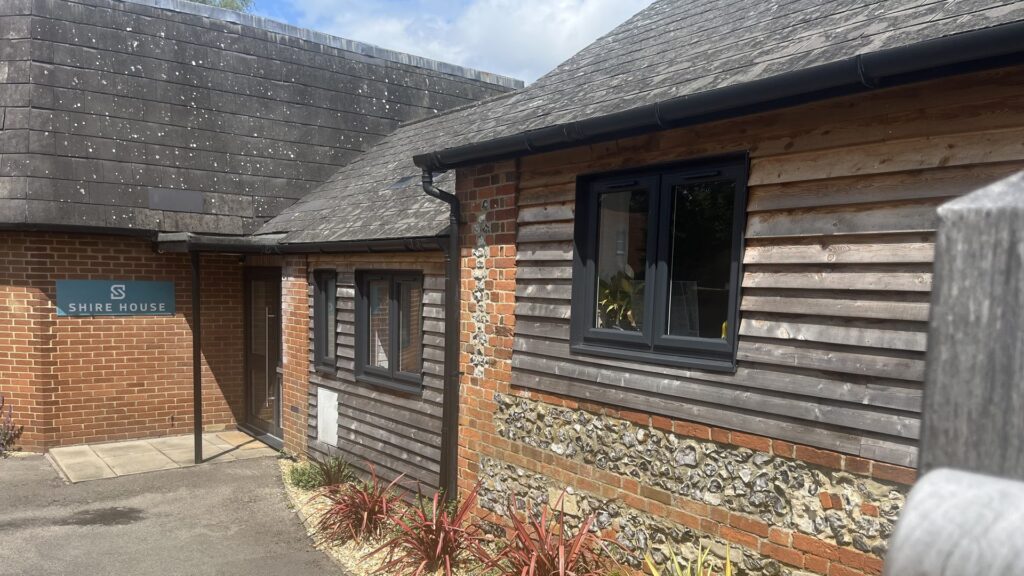
We’re at Shire House, Waltham Road, Overton, Hampshire RG25 3NJ, about 8 miles from Basingstoke, with a free private car park. There’s one small step at the entrance (I’m happy to help), then wide doorways and a wheelchair-accessible toilet. Open Monday to Friday, 9am to 8pm; Saturdays with me by arrangement. Directions and a map.
Sports massage with Hannah Lawrence is also available at the clinic as a separate appointment.
Minor sports injury questions
Should I keep training with a minor injury?
Avoid hard exercise, such as running, for some weeks after a sprain or strain, because there’s a risk of hurting it again.[1] Keep the area moving gently once the pain no longer stops you.[1]
If the pain is getting worse or not improving, call me on 01256 578137.
Can I book if I’m not sure how serious my injury is?
Yes. Call me on 01256 578137 or book online and I’ll talk it through. If you think you may have broken a bone, read the section at the bottom of this page first.
Should I use ice or heat?
Ice may ease the pain for a while, but there isn’t good-quality evidence that it helps a sprain or strain heal, so it’s up to you.[21] If you use it, wrap an ice pack or frozen peas in a tea towel and use it for up to 20 minutes at a time.[1] For the first couple of days, leave out heat, because it can add to the swelling.[1]
If you’re not sure what suits your injury, call me on 01256 578137.
Do I need a GP referral, and where are you?
No referral is needed. An appointment with Robert Green costs £60 for 45 minutes, pay as you go, and a free 15-minute consultation is available first. We’re at Shire House, Waltham Road, Overton RG25 3NJ, about 8 miles from Basingstoke, with free parking. Call 01256 578137 or book online.
Book an appointment
Choose a time that suits you below, or call me on 01256 578137 if you would rather talk first.
When to get help straight away
Call 999 or go to A&E if:
- you’ve had an injury and you heard a crack, the injured part has changed shape or is pointing at an odd angle, or it’s numb, tingling or has pins and needles, or the skin around it has changed colour, such as looking blue or grey, or is cold to touch: you may have broken a bone[1]
- one leg is throbbing, swollen, or red, blue or darkened, and you think you may have a blood clot[9]
- you heard a snap or pop when you injured your heel, ankle or calf, with sudden sharp pain, and you’re not able to walk or not able to walk on your tiptoes: this may be a ruptured Achilles tendon[7]
- you have sudden chest pain that doesn’t go away, or a painful, swollen leg and you feel short of breath[9][10]
- you have sudden, severe pain in a testicle[17]
- you have a lump in your groin, or a hernia you know about, that has suddenly become very painful, firm or tender, or won’t go back in, or comes with being sick or not being able to poo or pass wind[18][20]
Don’t drive yourself to A&E: ask someone to take you, or call 999 and ask for an ambulance. If you have any of these, please don’t wait for an appointment with me.
Call me straight away on 01256 578137 if an injured area is hot and swollen, and you have a very high temperature or feel hot, cold or shivery.[1][11][12]
For anything else, call me on 01256 578137 and I’ll talk it through. I’ll tell you if I think you need urgent medical care.
Sources
- NHS. Sprains and strains. Accessed 13 November 2026.
- NHS. Ankle pain. Accessed 13 November 2026.
- NHS Gloucestershire (G-care). Ankle sprain. Accessed 13 November 2026.
- Arthritis UK. Exercises for the toes, feet and ankles. Accessed 13 November 2026.
- NHS. Hamstring injury. Accessed 13 November 2026.
- YourPhysio (NHS MSK physiotherapy service). Achilles tendinopathy. Accessed 13 November 2026.
- NHS. Heel pain. Accessed 13 November 2026.
- NHS. Shin splints. Accessed 13 November 2026.
- NHS. DVT (deep vein thrombosis). Accessed 13 November 2026.
- NHS. Chest pain. Accessed 13 November 2026.
- NHS. Joint pain. Accessed 13 November 2026.
- NHS. Septic arthritis. Accessed 13 November 2026.
- YourPhysio (NHS MSK physiotherapy service). Rotator cuff-related shoulder pain. Accessed 13 November 2026.
- Robert Jones and Agnes Hunt Orthopaedic Hospital NHS Foundation Trust. Rotator cuff related shoulder pain. Accessed 16 November 2026.
- YourPhysio (NHS MSK physiotherapy service). Hip, groin and thigh pain. Accessed 13 November 2026.
- Leeds Community Healthcare NHS Trust. Groin strain. Accessed 13 November 2026.
- NHS. Testicle pain. Accessed 13 November 2026.
- NHS. Femoral hernia. Accessed 13 November 2026.
- Wikstrom EA, Cain MS, Chandran A, et al. Lateral ankle sprain and subsequent ankle sprain risk: a systematic review. Journal of Athletic Training, 2021. Accessed 13 November 2026.
- NHS Borders (Right Decisions referral help toolkit). Hernia. Accessed 13 November 2026.
- Dubois B, Esculier J-F. Soft-tissue injuries simply need PEACE and LOVE. British Journal of Sports Medicine, 2020;54(2):72–73. Accessed 13 November 2026.
The advice on this page is written by Robert Green, osteopath, in his own words, using these sources.